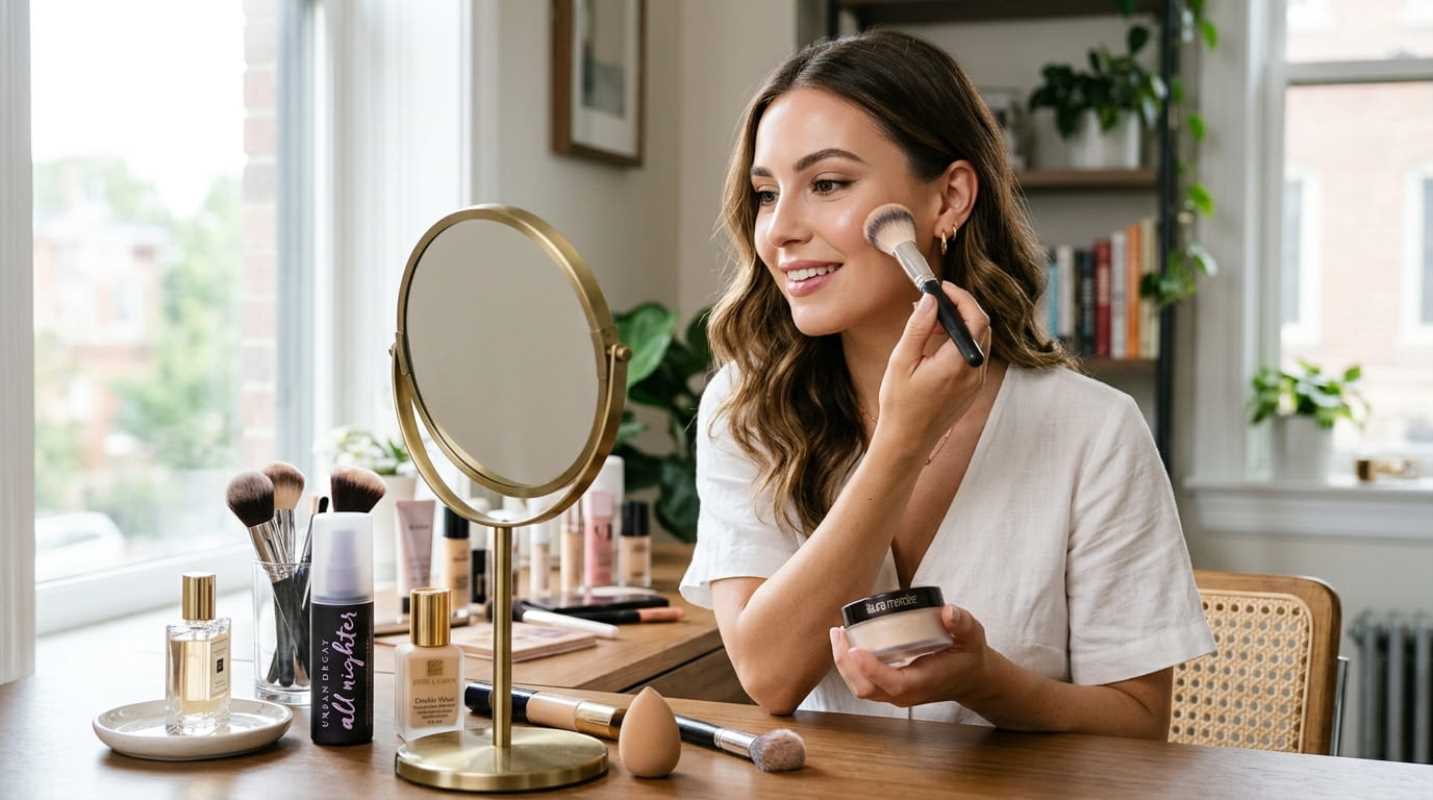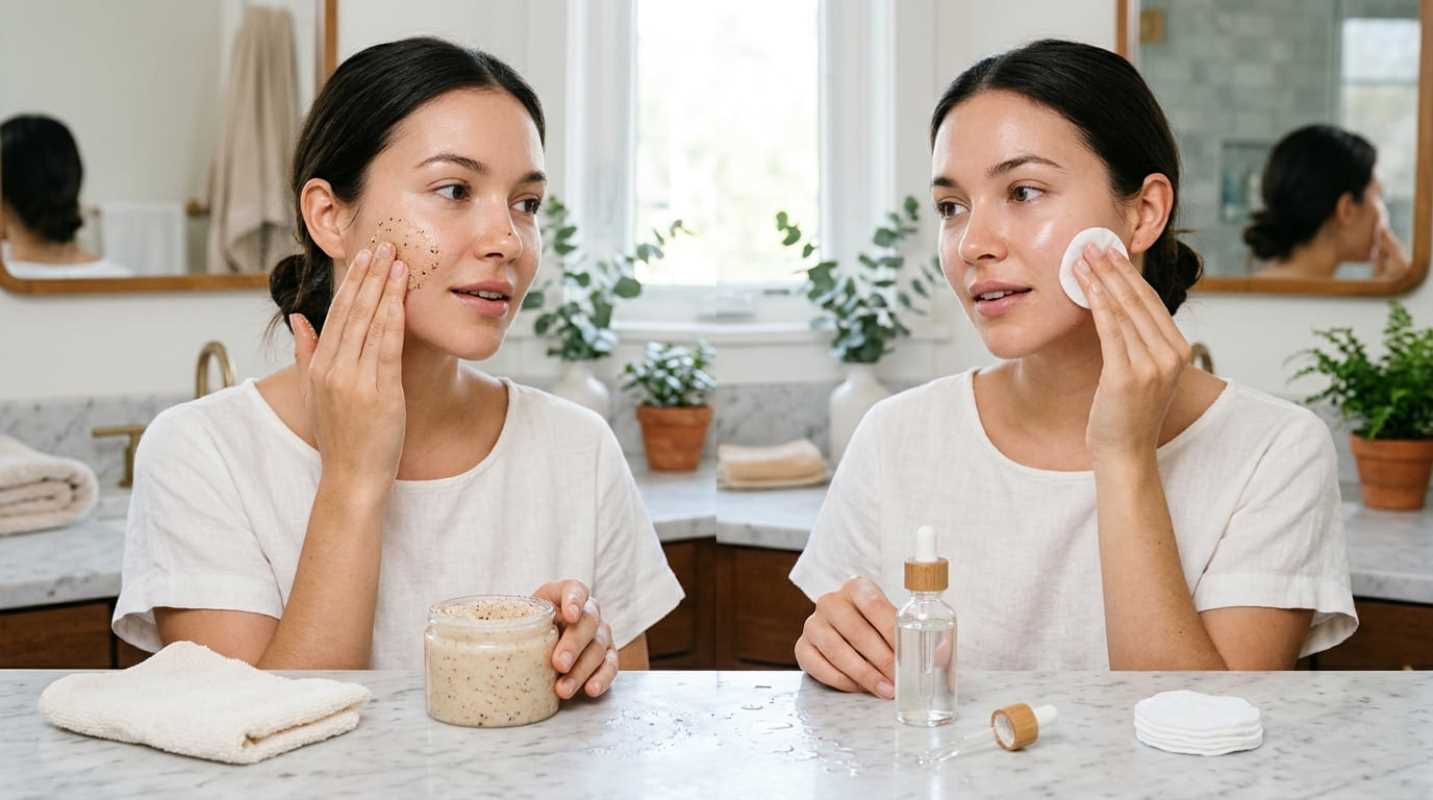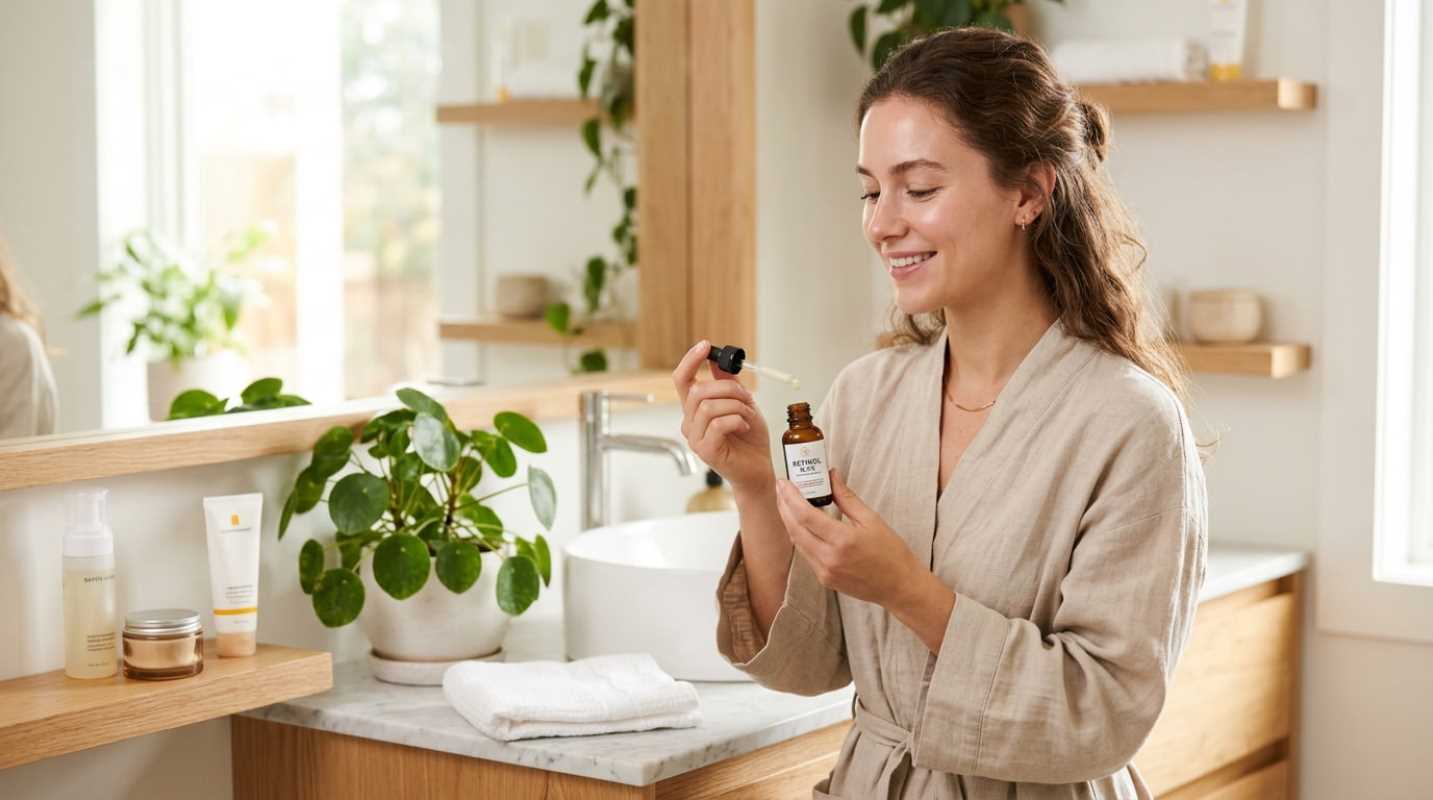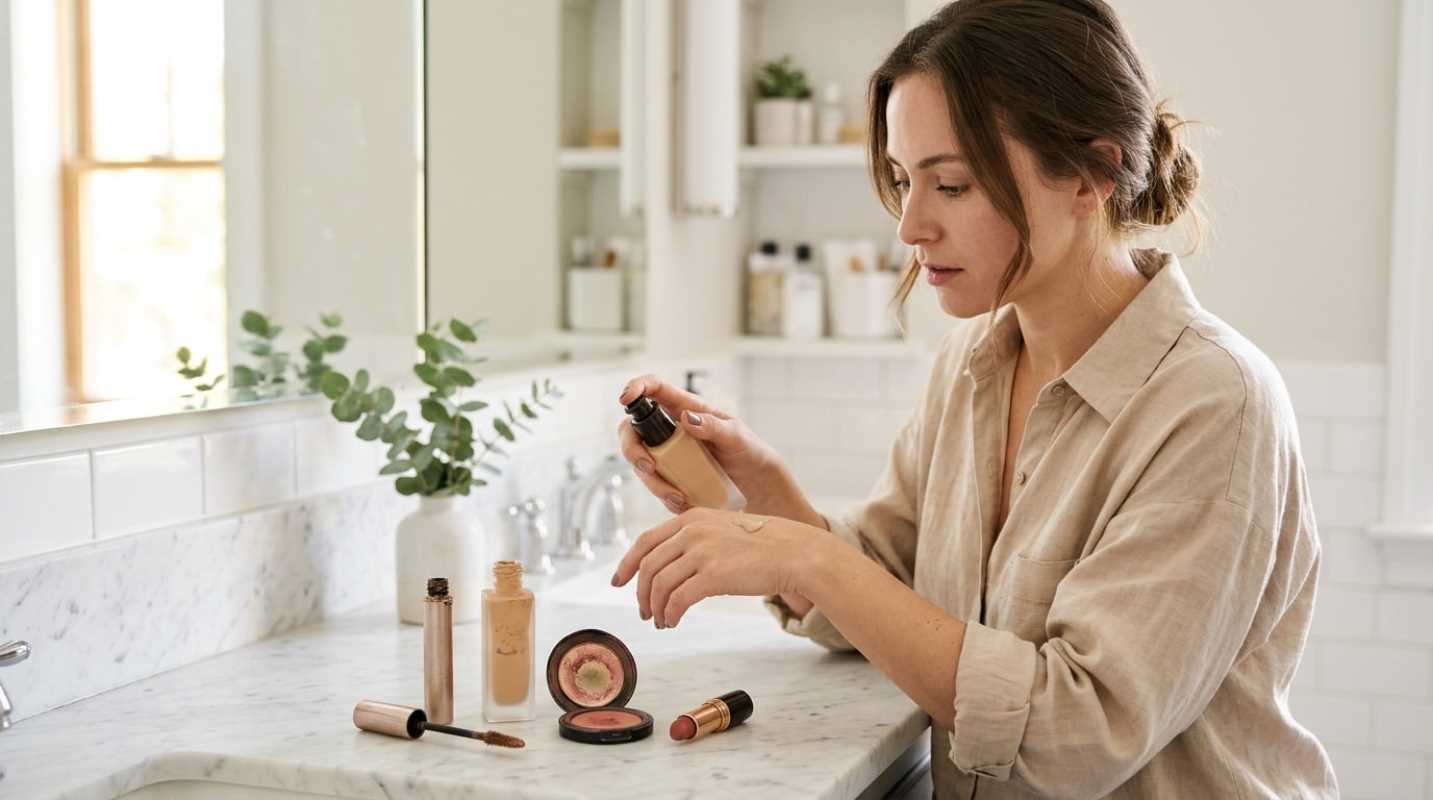
Take a look at your vanity or bathroom counter. How old is that foundation sitting in the back corner? What about the tube of mascara you bought for a wedding two summers ago? If you are hesitating, you are not alone. Most of us treat our beauty collections like fine wine, assuming powders and creams last indefinitely as long as the packaging looks fine. In reality, cosmetics behave much more like milk or yogurt. Once you crack the seal, a countdown begins.
Holding onto expired beauty products does more than just clutter your space. Over time, preservatives break down, active ingredients lose their punch, and formulas turn into breeding grounds for microbes. In one study by Aston University published in the Journal of Applied Microbiology, researchers tested opened makeup products and found that between 70% and 90% were contaminated with bacteria like Staphylococcus aureus and E. coli. Makeup sponges were the worst offenders, with over half carrying fungal contamination.
Giving your stash a regular audit protects your skin barrier and saves you from mysterious breakouts. Here is how to tell when your favorite formulas have reached the end of their lifespan, what the tiny symbols on the bottles mean, and how to keep your routine clean.
Decoding the Fine Print on Shelf Life and Symbols
Cosmetic companies do not always make freshness obvious, especially in the United States. Unlike food, general makeup and skincare are not legally required by the FDA to display a hard expiration date on the packaging unless they contain active drug ingredients.¹ Sunscreens, acne treatments with benzoyl peroxide, and anti-dandruff shampoos qualify as over-the-counter drugs, so they must carry a printed date. For everything else, you need to look for specific visual clues.
Look closely at the back or bottom of your product bottles. You will likely spot a tiny graphic of an open cosmetic jar with a number and the letter "M" inside it. This is the Period After Opening (PAO) symbol.¹
• The Open-Jar (PAO) Symbol: This graphic tells you how many months the formula stays safe and stable after you open it. If it reads "6M," the product lasts six months from the day you break the seal. If it says "12M," you have a full year. The European Union mandates this mark for products with an unopened shelf life of more than 30 months, and most global brands print it across all their inventory.¹
• The Hourglass Symbol: If you see a tiny hourglass next to a date, that marks the product's Date of Minimum Durability. This symbol means the formula has a total shelf life of 30 months or less, opened or unopened. Once that stamped date passes, the formula is no longer guaranteed to perform safely.
• The Batch Code: When you cannot find any date at all, locate the batch code. This is an alphanumeric code (like A32 or 20T401) stamped into the plastic crimp of a tube or printed on the base of the bottle. You can plug this code into free online tools like CheckFresh to find the exact month and year the manufacturer made the batch.²
Keep in mind that printed dates assume you store the product in ideal conditions. Leaving a liquid bronzer in a hot car during July will degrade the preservatives long before the printed date arrives.
The Sensory Audit and Recognizing Signs of Spoilage
What happens when the label has rubbed off, and you cannot remember when you bought a product? You can run a simple sensory audit. Trust your eyes, your nose, and your fingertips.
First, check the smell. When oils and fatty acids in cosmetics go bad, they oxidize. This creates a distinct, unmistakable scent. Expired foundations, lipsticks, and facial oils often smell like stale nuts, old crayons, or sour cooking grease. If a water-based moisturizer starts smelling faintly like ammonia, vinegar, or a dirty dishwasher, the preservative system has failed, and bacteria have taken over.
Next, look at the consistency. Some natural oil settling is normal, but severe separation is not. If you pump out a liquid foundation and get a puddle of tinted oil followed by a clumpy pigment curd, the emulsifiers have collapsed. That formula will not apply evenly, and it will likely irritate your skin.
Pay attention to color changes, too. Vitamin C serums are famous for this behavior. Fresh L-ascorbic acid is clear or pale champagne. As it reacts to ambient oxygen and light, it turns yellow, then dark orange, and eventually deep brown. Once it turns dark amber, it is oxidized. At that point, it can actually cause free-radical stress on your skin rather than protecting it.
Here is a general timeline for how long products safely last once opened
• Mascara and Liquid Liners: 3 months. The moist, dark environment inside a mascara tube is prime real estate for bacteria. Swapping wands every 90 days prevents serious eye irritation.
• Liquid Foundations and Concealers: 6 to 12 months. Water-based formulas invite microbial growth once you expose them to air and fingers.
• Powders and Eyeshadows: 18 to 24 months. Powders lack water, which makes it hard for bacteria to multiply. Watch out for "hard pan," which happens when facial oils from your brushes transfer onto the pressed powder and create a shiny, hard film.
• Lipsticks and Glosses: 12 to 24 months for traditional bullets, 6 to 12 months for liquid glosses with wands. If a lipstick starts sweating droplets that never reabsorb, or if it drags painfully across your lips, toss it.
• Sunscreens: Check the printed date. Using expired sunscreen is a gamble with UV damage, as active chemical and mineral filters break down over time.³
The Golden Rules of Safe Storage and Hygiene
Knowing when products expire is half the battle. The other half is making sure they do not spoil before their time.
The easiest fix is changing where you store your vanity. Most people keep their makeup and skincare in the bathroom, right next to the shower. That is actually the worst environment possible. Steam, heat, and moisture dramatically speed up chemical breakdown and turn moist creams into incubators for bacteria. Move your makeup bag, serums, and brushes to a dry, cool spot in your bedroom instead.
Here are four simple habits to extend the life of your collection
• Use the Sharpie Protocol: Grab a fine-tip permanent marker and write the opening date right on the base of every new product you unseal (like, "Opened 03/26"). You will never have to guess whether a serum is three months or nine months old.
• Twist, Do Not Pump, Your Mascara: Pumping the wand in and out forces air and airborne dust into the barrel, drying out the solvents and introducing microbes. Instead, gently swirl the wand along the inside walls of the tube.
• Stop Rehydrating Dry Makeup: Never add water, eye drops, or saliva to revive a dried-out gel liner or mascara. The FDA warns that diluting cosmetics disrupts the preservative balance and introduces bacteria straight into your formula.³
• Ditch the Jar Dipping: Dipping bare fingers into a jar of moisturizer transfers everyday skin bacteria directly into the cream. Use a small, washable cosmetic spatula to scoop out the product instead.
Curating a Clean and Confident Routine
Throwing away an expensive face cream or a limited-edition blush hurts a little. Yet keeping an expired product out of guilt does your skin no favors. Putting degraded oils, broken emulsions, and contaminated pigments on your face usually ends with clogged pores, dermatitis, or painful styes.
Treating your vanity to a seasonal audit brings a surprising sense of relief. When you strip away the half-empty bottles you secretly distrust, you make room for a streamlined routine filled only with products that work.
A thoughtful beauty routine is about quality over volume. Buy what you will realistically finish within six to twelve months, label your bottles the day you open them, and keep your tools clean. Your skin barrier will thank you for it.
Sources:
1. Shelf life and PAO
https://femfounded.org/reference/shelf-life-and-pao/
2. How to find batch number
https://www.checkfresh.com/how-to-find-batch-number.html?lang=en
3. Shelf Life and Expiration Dating of Cosmetics
https://www.fda.gov/cosmetics/cosmetics-labeling/shelf-life-and-expiration-dating-cosmetics