Have you ever walked past someone, caught a subtle drift of their perfume, and instantly remembered who they were? Scent has a direct line to memory and emotion. Finding a signature fragrance gives you an invisible calling card, a personal aura that announces your arrival and lingers softly after you leave.
Yet tracking down that perfect bottle can feel like wandering through an airport duty-free maze with a headache. With thousands of bottles hitting shelves every year, how do you discover a scent that actually feels like you, and more importantly, how do you keep it from disappearing before lunchtime?
The Power of a Signature Scent
Think of a signature fragrance as an olfactory extension of your style. Just like a favorite leather jacket or a go-to pair of boots, the right scent shapes how you show up in the room. Psychologically, wearing a familiar fragrance grounds you. It can boost your focus, lift your mood, and give you a quiet hit of confidence before a big presentation or a dinner date.
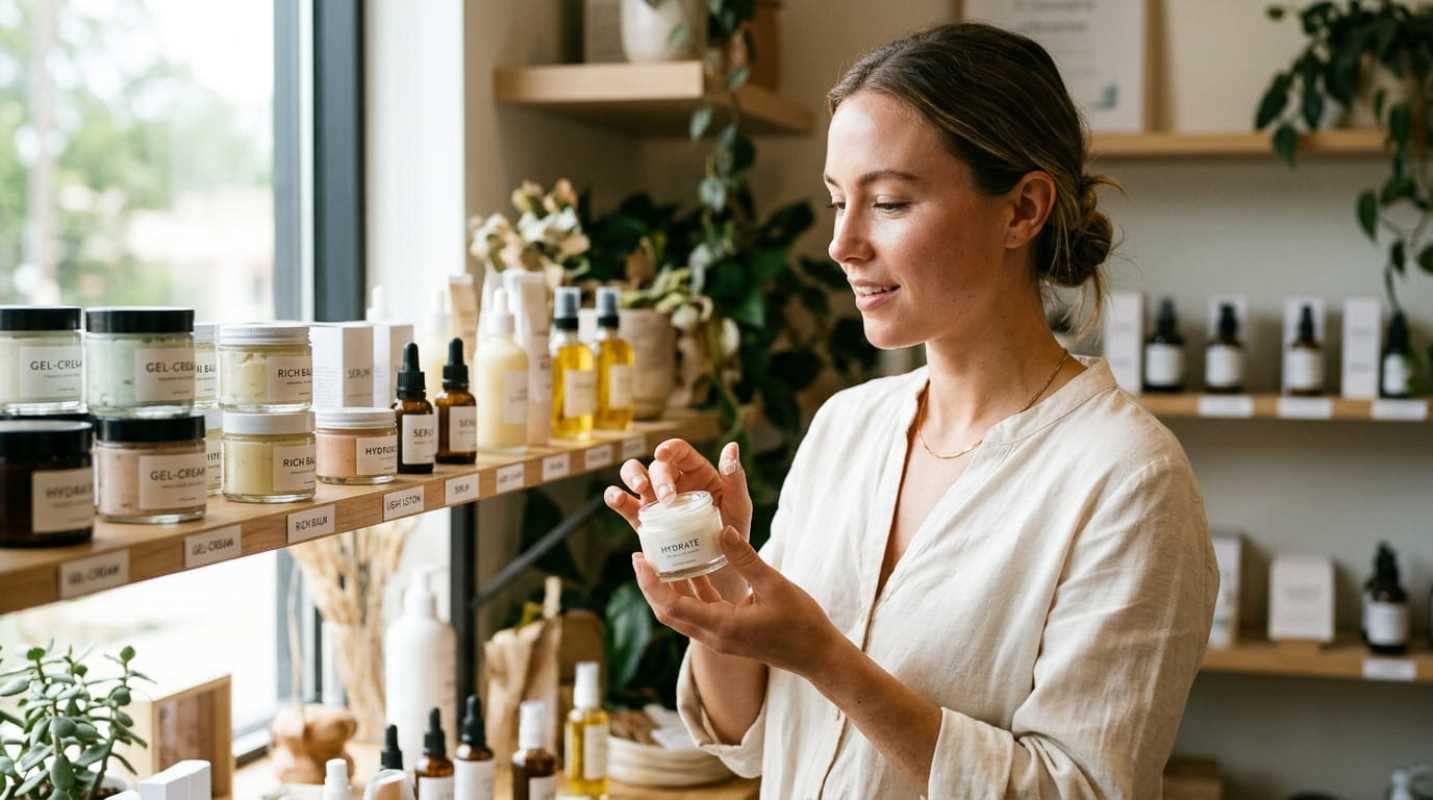
Finding that match is a journey rather than an impulse buy. You won't find it by grabbing whatever bottle looks prettiest on social media or copying what your coworker wears. Fragrance interacts with your unique body chemistry, meaning the same perfume can smell warm and sweet on you, but sharp and metallic on someone else.
The way we wear perfume has evolved, too. You don't have to lock yourself into a single bottle for the rest of your life. Fragrance fans are building scent wardrobes, rotating signatures based on mood, season, or occasion. People are also demanding scents that work harder. Retail data from Circana shows prestige fragrance represents about 28% of prestige beauty sales, with higher-concentration Parfums jumping 43% and Eau de Parfums growing 14% as shoppers prioritize longevity and projection.¹
Understanding the World of Scent Families
To start your search, you need to understand the four primary scent families. Most perfumes fall into one of these buckets
• Fresh: Clean, crisp, and bright. Think zesty citrus like bergamot and mandarin, fresh green leaves, neroli, or aquatic sea-salt notes. They feel energized and light.
• Floral: Airy to lush and intoxicating. Common notes include jasmine, rose, tuberose, peony, and orange blossom. Modern florals range from dewy garden blends to dark, moody petals.
• Woody: Grounded, earthy, and often genderless. This family leans on cedarwood, sandalwood, vetiver, patchouli, and oud. They feel steady and sophisticated.
• Warm and Amber: Rich, cozy, and sensual. This includes resins, rich spices, amber, and modern gourmands like pistachio, matcha, salted vanilla, and tonka bean.
Every complex fragrance unfolds over time across three distinct layers, known as the fragrance pyramid. The top notes hit your nose within the first 15 minutes. They are volatile, light molecules like citrus or pink pepper designed to hook you. Next come the heart notes, which emerge between 15 minutes and three hours. This is the core character of the juice, often carried by florals, fruits, or spices. Finally, the base notes take over after four to eight hours. These heavy molecules, like cedar, amber, musk, and vanilla, anchor the scent to your skin.
Testing in a store requires a system so your nose doesn't burn out. Perfumers recommend a simple three-step skin test to find what works:²
1. Spray paper blotters first: Mist paper strips to filter out smells you dislike right away.
2. Apply to bare skin: Pick your top two favorites and spray one on each wrist. Never test more than two at a time, or olfactory fatigue will blur them together.
3. Check at three intervals: Smell immediately for the top notes, check after one hour to see how the heart develops, and check again after four to six hours. That final dry-down is the true scent you will live with all day.
The Art of Pulse Point Application
Once you have found your bottle, where you spray matters just as much as what you spray. Fragrance molecules need heat to disperse into the air around you. Your pulse points act like tiny ambient diffusers because your blood vessels sit closest to the skin's surface in these spots.
Target warm zones
• The sides of your neck beneath your jawline
• The collarbones
• The inner crooks of your elbows
• Your wrists
• The center of your chest
Spraying your chest lets your natural body heat beneath your shirt gradually push the scent upward throughout the day, creating a steady scent bubble.
Here is the golden rule of perfume: do not rub your wrists together. We have all seen people do it in movies, but friction generates heat and mechanically disrupts the delicate top notes. This breaks down the fragrance structure prematurely, distorting the intended opening and shortening its wear time. Just spray the liquid and let it air-dry naturally on your skin.
Mastering Layering and Storage
If your scent seems to vanish into thin air, layering offers an easy solution. Fragrance ancillaries are booming, with body sprays jumping 94% and specialized hair perfumes growing 32% as wearers layer formats for maximum impact.¹
You can build a rich scent foundation by applying a matching or complementary scented body wash and lotion before spraying your perfume. Hair also traps fragrance molecules effectively because natural hair lipids hold onto scent longer than dry skin. Because regular perfume contains alcohol that can dry out your strands, mist a wooden hairbrush with your fragrance and run it through your hair, or use a dedicated hair mist.
Fabrics hold scent remarkably well, too. Natural fibers like wool, cotton, and cashmere have porous textures that trap base notes for days. Just be careful with white silks or delicate fabrics to avoid potential oil stains.
How you store your fragrance is equally important. Perfume hates three things: heat, light, and fluctuating humidity. Keeping your expensive bottles on a bathroom counter is the fastest way to ruin them. The steam from daily showers breaks down the chemical bonds in the perfume oils, turning the scent sour or weak. Keep your bottles in a cool, dark drawer, inside a closet, or in their original boxes at room temperature. Kept properly, a good bottle will stay fresh for three to five years or longer.
Making It Last Pro-Tips for All-Day Wear
The secret to all-day wear comes down to skin moisture. Fragrance molecules require lipids to cling to. If your skin is dry, the alcohol in the perfume evaporates almost immediately, carrying the fragrance molecules away with it.³
To build a lipid anchor, apply an unscented moisturizer, squalane oil, or a matching lotion directly after your shower while your skin is still damp. If you have notoriously dry skin, try a classic trick: smooth a tiny dab of petroleum jelly or unscented balm over your pulse points before misting. The occlusive barrier traps the perfume oils and slows down evaporation throughout the day.
Pay attention to concentration, too. Longevity depends directly on the ratio of perfume oil to alcohol
• Eau de Cologne: 2% to 4% oil, lasting one to two hours
• Eau de Toilette: 5% to 15% oil, lasting three to five hours
• Eau de Parfum: 15% to 20% oil, lasting six to eight hours
• Parfum or Extrait: 20% to 40% oil, lasting eight to twelve hours or more
If you want a full workday out of a single application, pick an Eau de Parfum or an Extrait. If you prefer a lighter Eau de Toilette, carry a travel atomizer for a quick touch-up around mid-afternoon.
Trust your instincts when settling on a fragrance. When you find a blend that complements your skin chemistry and feels natural to wear, own it with confidence.
Sources:
1. Fragrance Drives US Prestige Beauty
https://cosmeticsbusiness.com/fragrance-drives-us-prestige-beauty
2. Skin Chemistry: Test Perfume in 3 Checkpoints Like a Perfumer
https://rookperfumes.co.uk/blogs/journal/skin-chemistry-test-perfume-in-3-checkpoints-like-a-perfumer
3. How Skin Chemistry Changes Fragrance
https://us.clivechristian.com/stories/perfume-facts/how-skin-chemistry-changes-fragrance