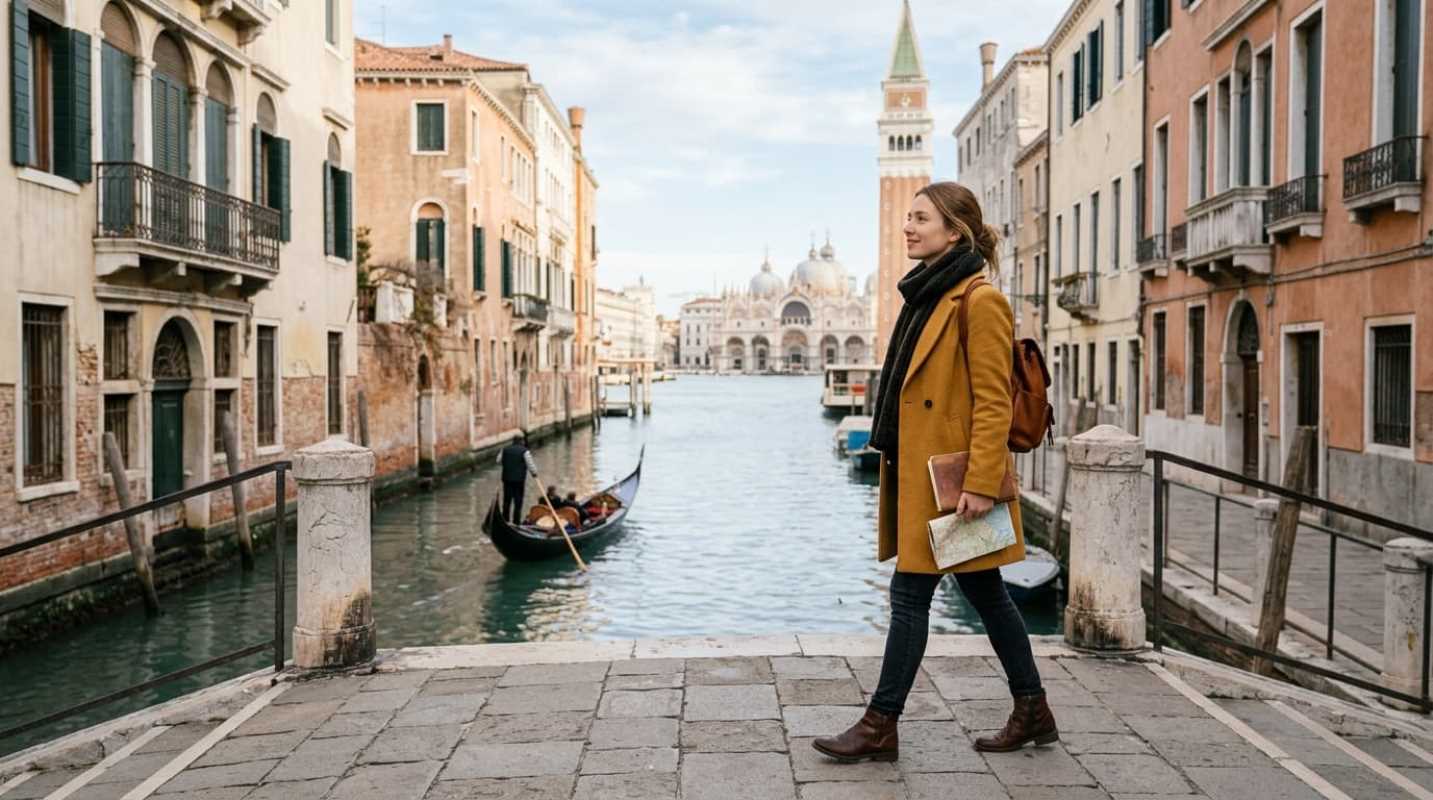
Have you ever stood in a crowded airport terminal completely alone, feeling a wild mix of pure excitement and sudden panic? If your stomach did flips, you're in good company. Venturing out on your own feels daunting right before departure, but it's quickly becoming the favorite way to explore the world. Market research from Grand View Research valued the global solo travel market at $482.5 billion, with projections climbing past $1.6 trillion by 2033.¹
What was once viewed as an eccentric hobby for college backpackers is now mainstream. Industry numbers show that women lead this shift, making up between 70% and 84% of all solo leisure bookings.² Younger generations are diving in headfirst too, with roughly 76% of Millennials and Gen Z travelers planning solo trips.³
The secret to enjoying your first solo getaway isn't learning martial arts or looking over your shoulder every thirty seconds. Real safety comes from quiet preparation, good habits, and a sharp head on your shoulders. When you handle the practical details before you take off, you replace anxiety with genuine confidence.
Planning Trip Logistics and Communication
Preparation begins well before you pack your bags. If an emergency happens across the globe, you want people in your corner who know where you are.
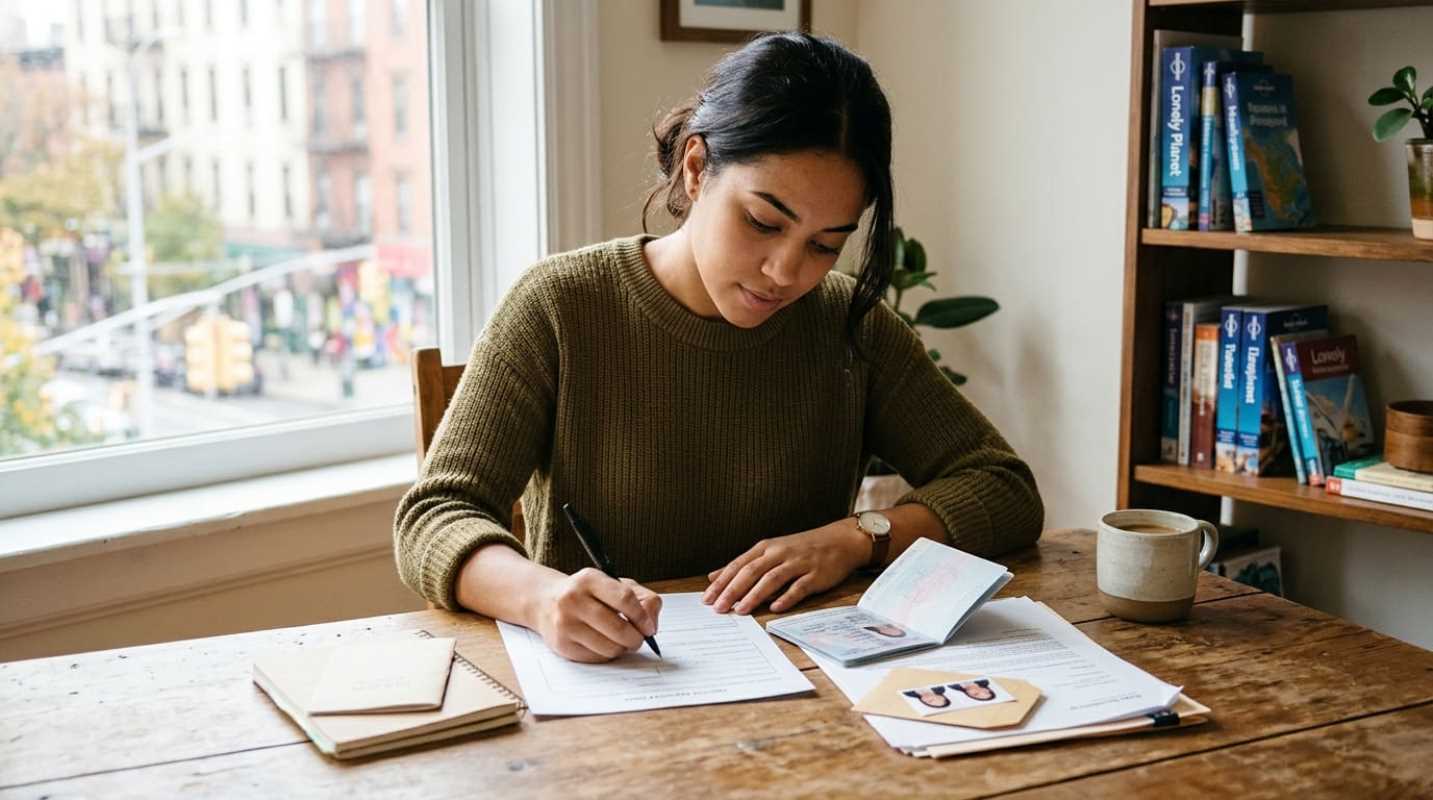
Start by enrolling in official traveler programs. If you're an American citizen, sign up for the free Smart Traveler Enrollment Program (STEP) through the Department of State. It logs your itinerary with the nearest embassy and delivers alerts if weather disasters or civil disputes pop up. Canadian travelers can use the ROCA registry, Australians have Smartraveller, and British citizens can register through the FCDO.
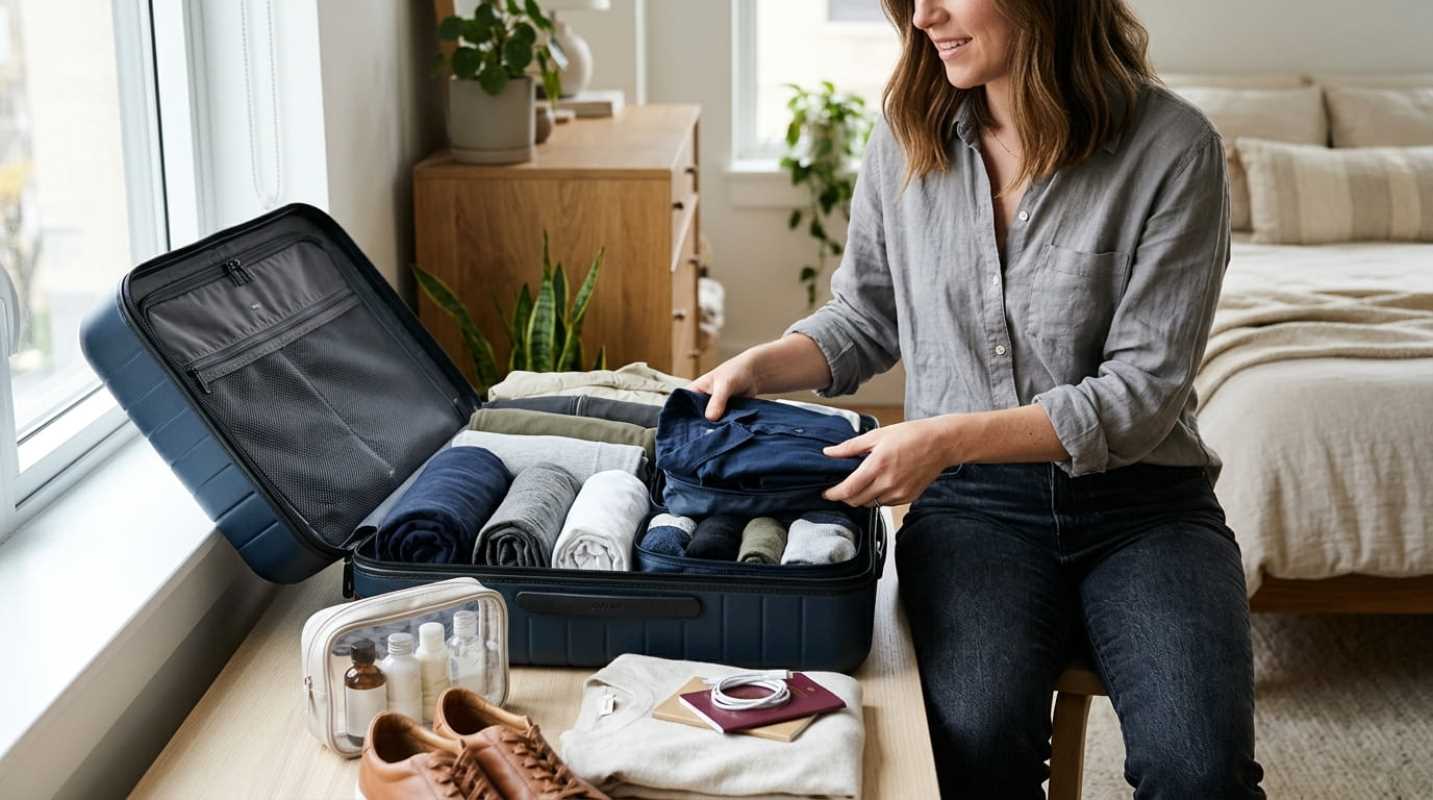
You also need a solid backup plan for your identification. Never rely only on the physical passport in your pocket or a single snapshot on your phone. Instead, follow the rule of three
• Physical paper backup: Tuck laminated photocopies of your passport, visa, and insurance policy into your luggage lining, completely separate from your daypack.
• Encrypted cloud storage: Save high-resolution scans into an encrypted folder on Google Drive, iCloud, or ProtonDrive that you can access from any web browser.
• Home contact copy: Leave exact copies of your documents, flight details, and hotel reservations with a trusted relative or friend.
Do not skip travel insurance. Make sure your policy includes emergency medical evacuation. Getting airlifted out of a remote area can easily cost over $50,000 out of pocket if you lack coverage. Check the fine print on activities, too. If you plan to rent a scooter in Southeast Asia, many policies require a valid motorcycle license from home, or you won't pay a dime.
Finally, live by the daylight arrival rule. Schedule your flights and trains so you arrive at your destination while the sun is still up. Navigating public transit, finding a tucked-away guesthouse, and converting cash is much simpler when transit stations are open and streets are full of people.
Selecting Safe Accommodations and Transport
Where you sleep and how you move around matter just as much as your itinerary. A little caution during booking and check-in goes a long way.
When you book a hotel, ask for a room between the second and fourth floors. Ground-floor rooms carry the highest risk of forced entry. Rooms above the fourth floor pose a different hazard, because many municipal fire ladders cannot reach past the fourth to sixth floors.
Check-in requires discretion. If the front desk clerk says your room number out loud for the whole lobby to hear, politely ask for a different room and request that they write the number on the paper key sleeve instead. It's also smart to ask for two keycards. That small gesture gives anyone watching the impression that you aren't staying alone.
For simple room security, add these packable tools to your kit
• Rubber doorstop wedge: Wedging a five-dollar rubber doorstop under your door from the inside prevents the door from opening, even if someone has a master keycard.
• Doorstop wedge alarm: This device sits behind your door and emits a piercing 120-decibel alarm if the door opens against it.
• Portable carbon monoxide detector: Many vacation rentals outside North America and Western Europe don't require CO detectors by law, making a small travel detector a lifesaver.
For getting around town, stick to reputable rideshare apps like Uber or Bolt. Turn on the four-digit PIN verification feature so the driver cannot start the trip until you provide the code. When the car pulls up, never ask, "Are you here for me?" Drivers can easily just say yes. Always ask: "Who are you picking up?" and match the license plate against the app.
The Art of Situational Awareness
Street smarts aren't complicated. They mostly come down to paying attention to your surroundings and setting clear personal boundaries.
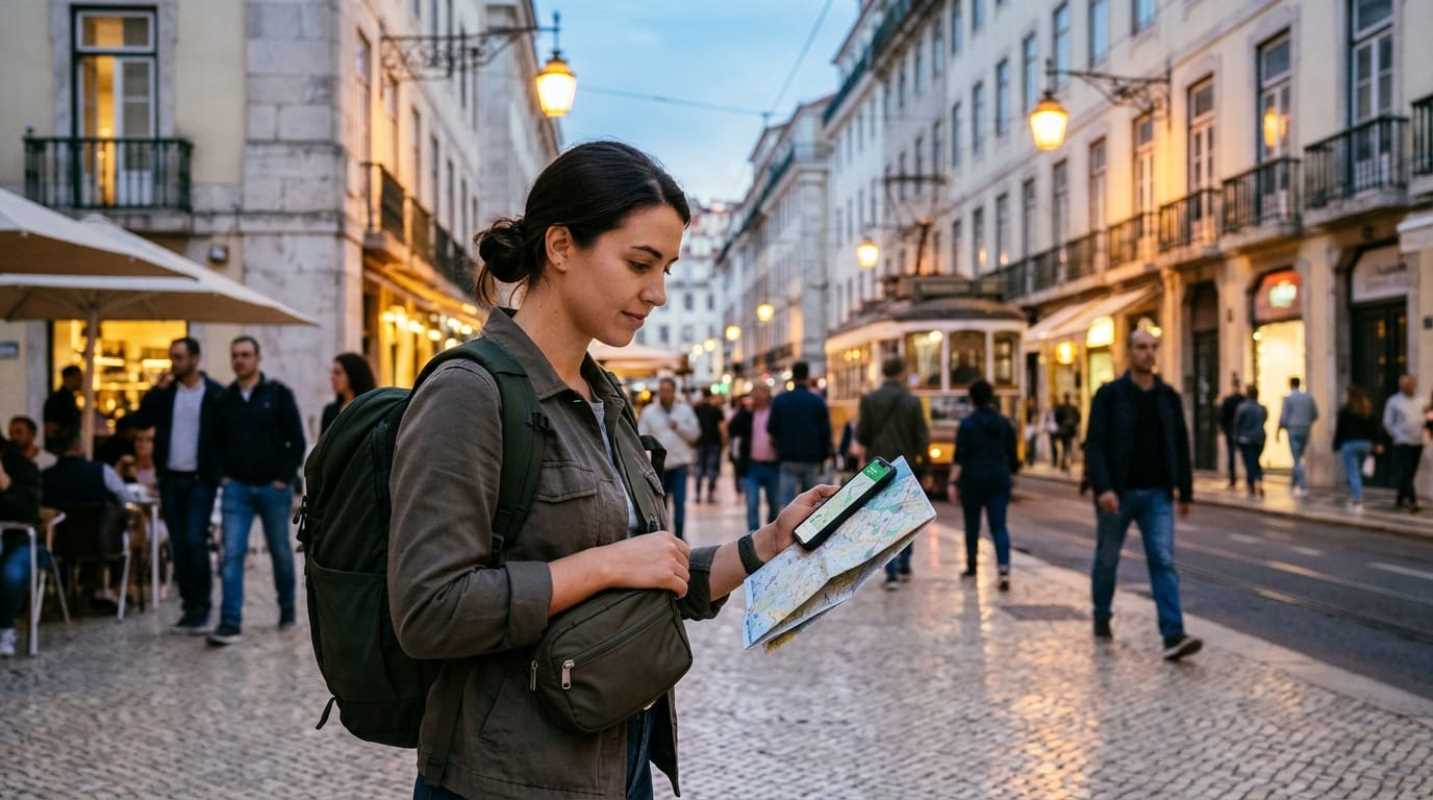
Looks like you know where you're going, even when you're completely turned around. Scammers and pickpockets look for visitors who look flustered, disoriented, or glued to their screens. If you need to check a map, step inside a café or a hotel lobby to gather your bearings rather than freezing in the middle of a busy sidewalk. Keep your ears open, too. Leave the noise-canceling headphones in your hotel room. If you want audio navigation, wear just one earbud or switch your headphones to transparency mode.
Learn to tell harmless white lies. If an overly inquisitive taxi driver or stranger asks if you are traveling alone, always answer that you're meeting your partner or friends in a few minutes. Never reveal the name of your hotel. Giving a broad neighborhood is plenty.
Watch out for common distraction tricks
• The spill scam: Someone accidentally spills water, mustard, or ice cream on your jacket. Although they apologize and dab your shirt with napkins, their partner lifts your wallet.
• The closed landmark: A well-dressed local outside a museum or palace tells you the site is closed for a private holiday, offering to take you to a special shop nearby. Politely decline and check the entrance yourself.
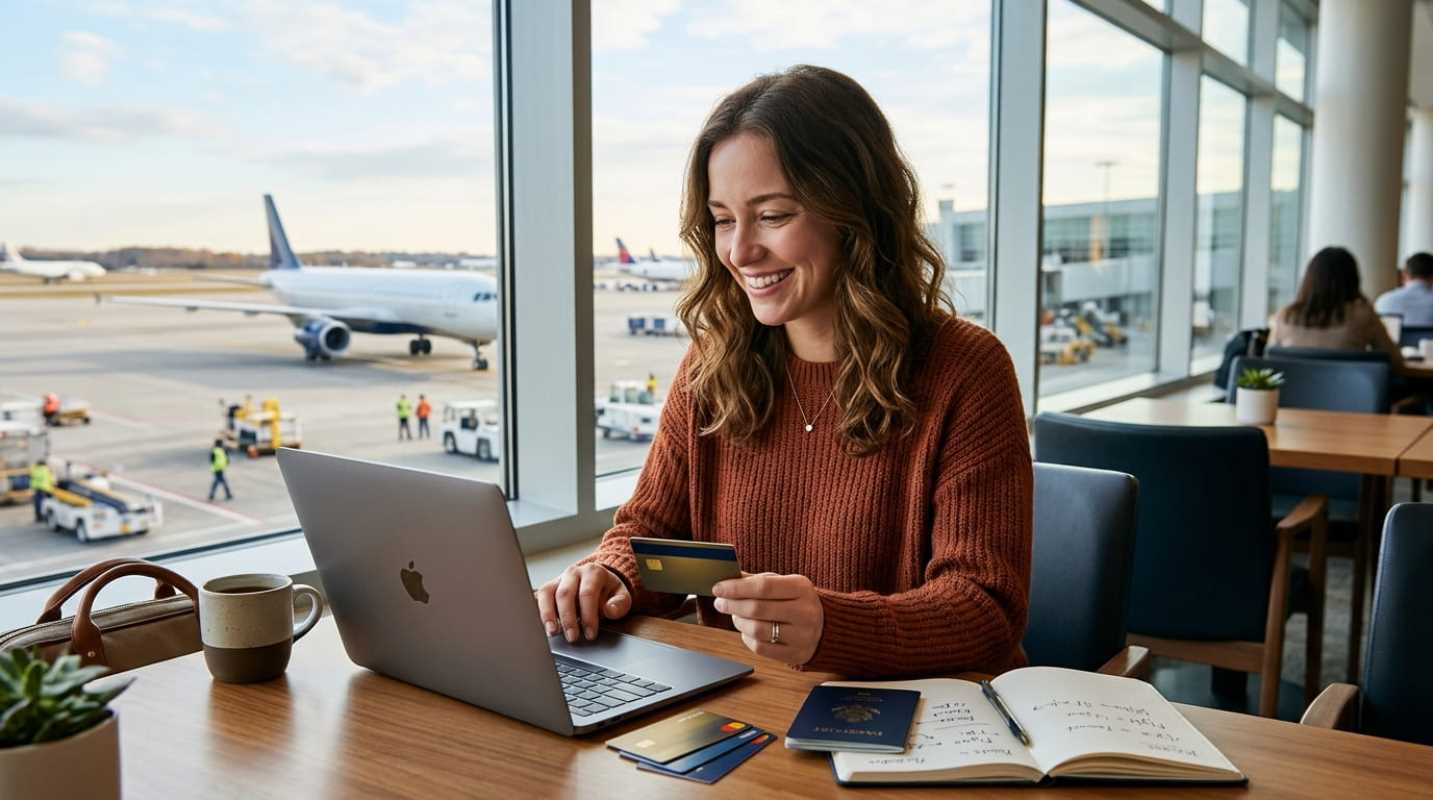
Protect your money by splitting your cards. Keep one credit card and modest cash on you, leaving backup cards and your passport in the room safe. Carry a cheap decoy wallet holding an expired card and twenty dollars in local currency. If someone corners you, hand over the decoy wallet instantly and walk away.
Managing Digital and Physical Security
Your phone is your lifeline when you're on the road. Protecting its connection and battery life keeps you out of sticky situations.
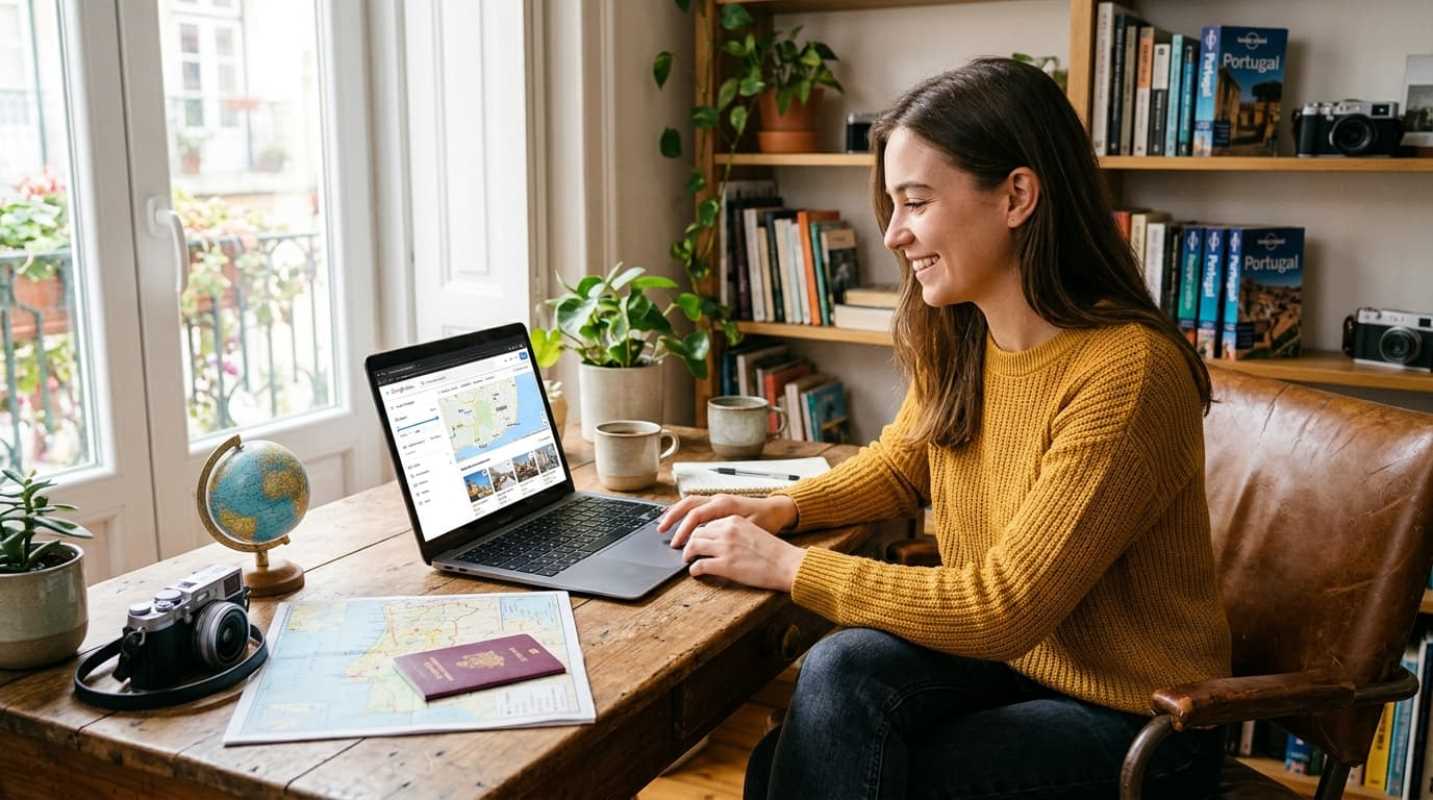
Set up an eSIM before you board your flight using services like Airalo or Holafly. This makes sure you have working cellular data the moment your plane wheels hit the runway. Pre-download offline regional maps on Google Maps or Maps.me so you can handle without an active cell signal. Turn on live location sharing with a trusted friend back home, and set a standard daily check-in time so they know you're safe.
Never broadcast your current whereabouts on public social media accounts. Save your museum selfies and restaurant photos for the next morning, or wait until you've checked out of the area entirely.
When choosing protective gear, focus on items that are practical, lightweight, and legally permitted across borders
• Personal safety alarm: Devices like a She's Birdie siren emit a deafening 130-decibel sound and bright strobe light. Unlike pepper spray, which is illegal in places like the UK, Japan, and Australia, safety alarms are legal worldwide and airport-friendly.
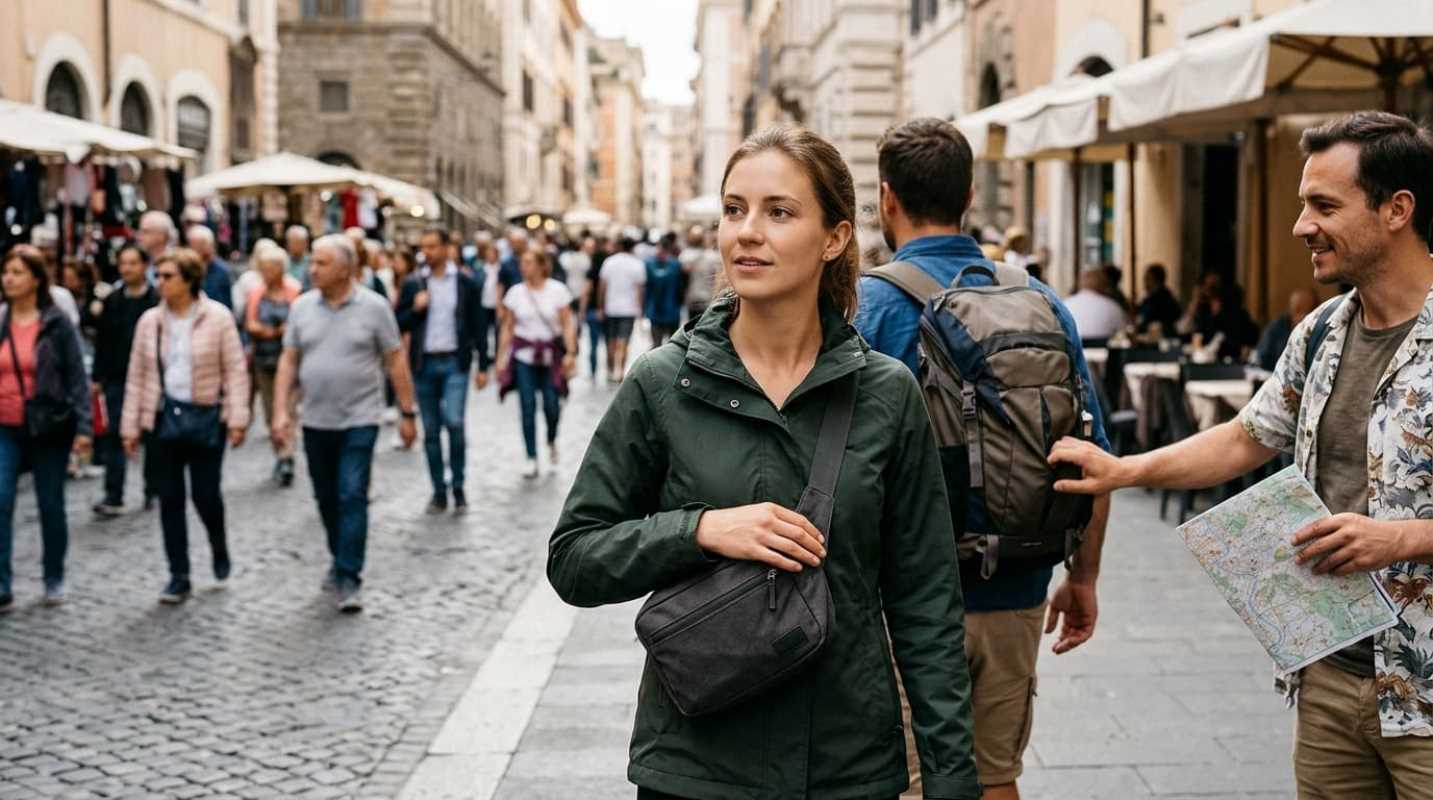
• Anti-theft crossbody bag: Bags from brands like Pacsafe feature slash-guard straps and locking zippers that slow down nimble fingers in crowded metro cars.
• Coiled phone leash: A simple wrist lanyard attached to your phone case stops passing moped riders from snatching your screen out of your hands.
• Portable power bank: A 10,000 to 20,000 mAh external battery in your daypack prevents the nightmare of a dead phone battery when you need navigation most.
Your Confidence Is Your Best Travel Companion
Stepping onto a train platform or airport concourse by yourself can feel intimidating at first. That nervous energy just means you care about your journey.
Preparation gives you freedom. When your documents are backed up, your door is secured, and your phone has an active map, your mind settles down. You stop stressing over what might go wrong and start enjoying the sights, sounds, and flavors around you. Trust your instincts, take smart precautions, and pack your bags. You're ready for the trip of a lifetime.
Sources:
1. Global Solo Travel Market Size & Growth Report
https://www.grandviewresearch.com/press-release/global-solo-travel-market
2. Solo Travel Statistics
https://www.condorferries.co.uk/solo-travel-statistics
3. Solo Travel Trends
https://www.flashpack.com/us/solo-travel-trends/