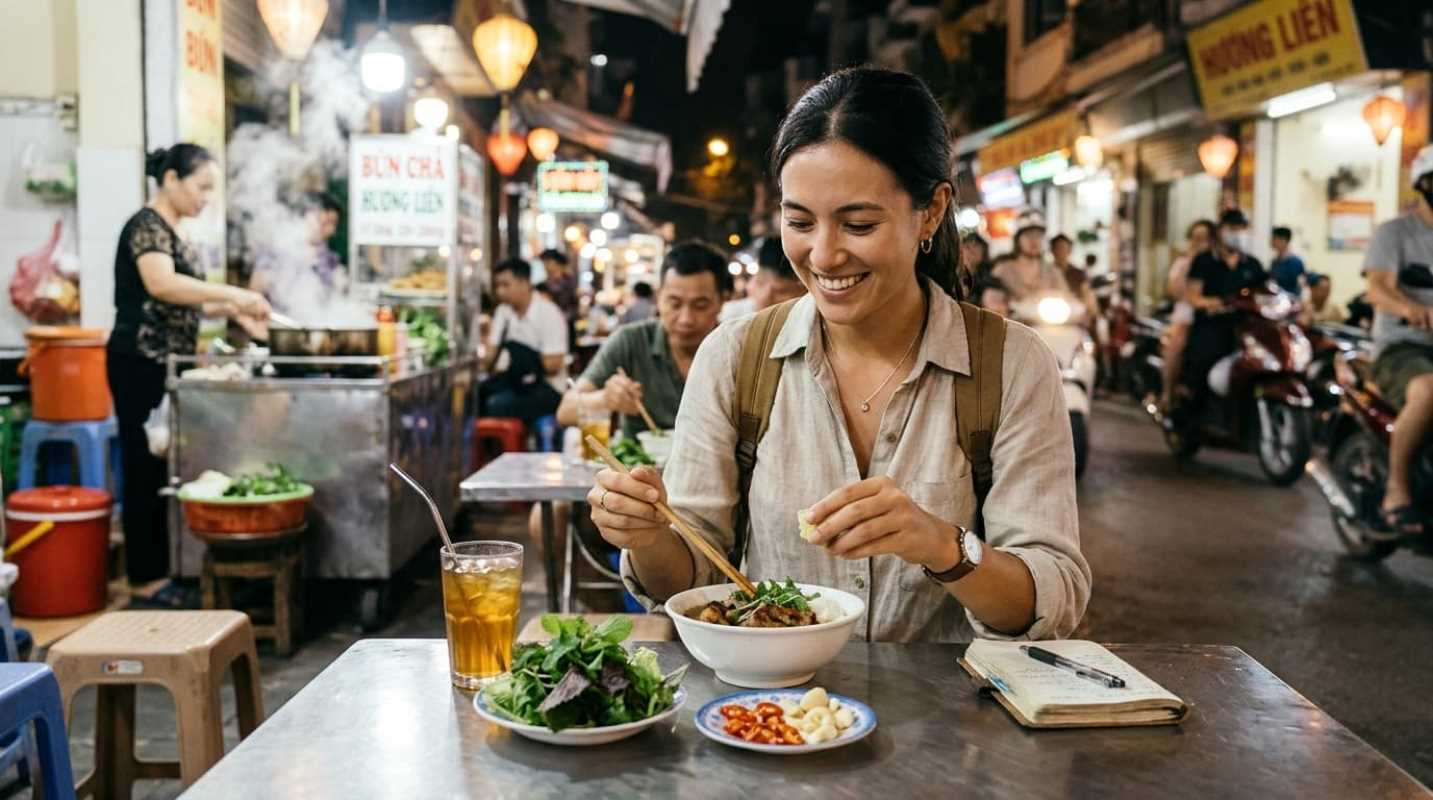
Picture this: you step off a night train in a bustling night market, surrounded by clouds of fragrant steam, sizzling grills, and the sharp scent of roasted chilies. Your stomach growls. Then a familiar wave of anxiety kicks in. What if that skewer derails the next three days of your vacation?
Travelers face this tension constantly. You want to dive headfirst into local food cultures, but nobody wants to spend their dream trip trapped in a hotel bathroom. Fortunately, you do not have to pick between boring, bland meals and stomach disaster. With the right street smarts and a few habits in your back pocket, you can eat boldly while keeping your digestive system happy.
The Mindset Shift: Balancing Risk and Reward
Between 30% and 70% of travelers deal with travelers' diarrhea during a typical two-week trip abroad.¹ That statistic sounds intimidating. Yet letting fear dictate your meals usually leads to sterile hotel buffets and overpriced tourist cafes that rob you of the trip's best moments. Food is culture, history, and community on a plate. Passing up local flavors means missing the heart of the place you came to see.
For decades, guidebooks handed out the same tired advice: "boil it, cook it, peel it, or forget it." But medical guidance from the CDC Yellow Book highlights a surprising reality: travelers who strictly follow that rule still fall ill at rates similar to those who ignore it.²
How can that be? The culprit is rarely the ingredient itself. Illness usually comes from poor kitchen infrastructure, contaminated prep surfaces, unwashed hands, and tap water used to wash cutting boards. When you understand that contamination happens behind the scenes, you stop fearing adventurous food and start evaluating hygiene like an insider.
Stepping outside your culinary comfort zone also builds self-reliance. Navigating a bustling market in Vietnam or Mexico teaches you to trust your senses, connect with vendors, and discover tastes you never knew existed.
Street Food Tips and How to Spot the Winners
Street vendors often serve fresher, safer meals than sit-down restaurants catering to tourists. Why? Because street vendors operate in plain view. In a sit-down kitchen, you cannot see whether raw meat sits next to salad greens. At a street cart, the entire operation happens three feet in front of your eyes.
Look for these cues when picking a stall
• Follow the crowds: Long lines of locals, especially families with young kids or office workers on lunch break, are your best guide. High customer turnover means ingredients move quickly from prep to plate. The food has zero chance of sitting around growing bacteria.
• Stick to the heat rule: Watch the cook prepare the meal. You want dishes cooked to order over roaring flames or boiling in hot broth. Steaming heat kills pathogens instantly. Avoid dishes sitting lukewarm in plastic trays or glass display cases.
• Scan the workstation: Look at the vendor's habits. Do they handle cash with the same hand that garnishes the plate? Are cutting boards clean? Are raw meats kept strictly separate from fresh herbs? If the stall looks organized and tidy, the food is far more likely to be safe.
Navigating Dietary Restrictions Abroad
Traveling with dietary restrictions requires extra planning, but it should never keep you grounded. Whether you have celiac disease, a life-threatening peanut allergy, or a strict vegan diet, preparation makes all the difference.
Free translation apps are helpful for basic phrases, but they can fall short with medical conditions. Too often, machine translation converts "severe allergy" into "I prefer not to eat." That distinction can be dangerous. Carry professionally verified chef translation cards in the local language.³ Cards from services like Spokin or Equal Eats explain your condition clearly, detail cross-contact risks, and note that eating the allergen leads to a medical emergency.
Hidden ingredients are another hurdle. Familiarize yourself with regional cooking foundations before boarding your flight
• Gluten: Soy sauce contains fermented wheat, and flour often thickens broths across Asia and Europe. In contrast, destinations like Italy are remarkably easy for celiac travelers due to strict local gluten-free restaurant certifications.
• Allergens: Tree nuts, peanuts, and sesame appear in pastes, oils, and garnishes where you least expect them. Carry two epinephrine auto-injectors in your carry-on luggage at all times. Never put them in checked baggage, where cargo hold temperature swings can ruin the medication.
• Animal products: Fish sauce, dried shrimp, and chicken bouillon paste hide in countless vegetable dishes across East and Southeast Asia. In Mexico and Central America, refried beans are traditionally made with lard.
Using apps like HappyCow for plant-based spots or Find Me Gluten Free gives you vetted starting points in almost every major city worldwide.
Proactive Habits for Avoiding Stomach Troubles
Building simple daily habits protects your stomach without dampening your spirit. You do not need to overhaul your personality; just tweak how you handle hydration and snacks.
Hydration safety comes first. In destinations with questionable municipal water systems, avoid tap water and fountain sodas. Stick to factory-sealed bottled water. Carbonated water is even better because the fizz guarantees nobody refilled and recapped the bottle.
Have you ever wondered about ice? In major cities, cylindrical ice cubes with a hole through the middle come from commercial ice plants that use purified water. Those are generally safe. Crushed, irregular ice chipped from a large block, but often travels on dirty truck floors and should be avoided.
For snacking, pick fruits you can peel yourself, such as bananas, oranges, and mangoes. If a fruit requires washing and you cannot confirm the water source, skip it. The same logic applies to raw leafy salads, which act like sponges for municipal rinse water.
Build a small travel health kit before leaving home
• Oral Rehydration Salts (ORS): These packets are your primary line of defense. Dehydration causes far more hospital visits than the pathogens themselves.
• Bismuth subsalicylate: Taking chewable tablets with meals can reduce the risk of travelers' diarrhea by up to 50% without contributing to antibiotic resistance.
• Targeted backup medication: Routine preventive antibiotics are strongly discouraged due to rising antimicrobial resistance. Instead, ask your travel clinic for a backup prescription of azithromycin to carry in case severe symptoms strike.
Embracing the Adventure and Where to Start
If diving straight into street food feels a lot of ease, ease into the scene.
Booking a guided food tour on your first evening in a new city is one of the smartest moves you can make. A local guide introduces you to hidden neighborhood gems, explains ingredients, and shows you how to order like a resident. You get an immediate crash course in what is safe, delicious, and culturally significant.
Another simple approach is to ask locals directly. Skip the hotel concierge desk, which frequently directs tourists to sanitized, Western-friendly restaurants. Ask your rideshare driver, the barista down the street, or your boutique hotel clerk: "Where do you eat dinner with your friends after work?" Those answers lead to memorable meals.
Keep a quick log or photo album of the new dishes you try. Documenting your culinary journey builds confidence with every trip. Before long, scanning unfamiliar menus and wandering crowded night markets will feel second nature. Travel is meant to be tasted, so grab a fork, follow the crowds, and dig in.
Sources:
1. PubMed - Travelers' Diarrhea
https://pubmed.ncbi.nlm.nih.gov/29083755/
2. CDC Yellow Book - Travelers' Diarrhea
https://www.cdc.gov/yellow-book/hcp/preparing-international-travelers/travelers-diarrhea.html
3. Spokin - Travel Apps
https://www.spokin.com/travel-apps
*This article on Katiently is for informational and educational purposes only. Readers are encouraged to consult qualified professionals and verify details with official sources before making decisions. This content does not constitute professional advice.*