Have you ever found yourself standing shoulder-to-shoulder with hundreds of sweaty strangers in front of the Trevi Fountain, wondering why you spent thousands of dollars to be there? You aren't alone. In recent years, peak summer vacation has started to feel less like a relaxing getaway and more like an endurance test. Between scorching heatwaves across Southern Europe and massive cruise crowds clogging historic ports, the allure of traveling in July and August is fading fast.
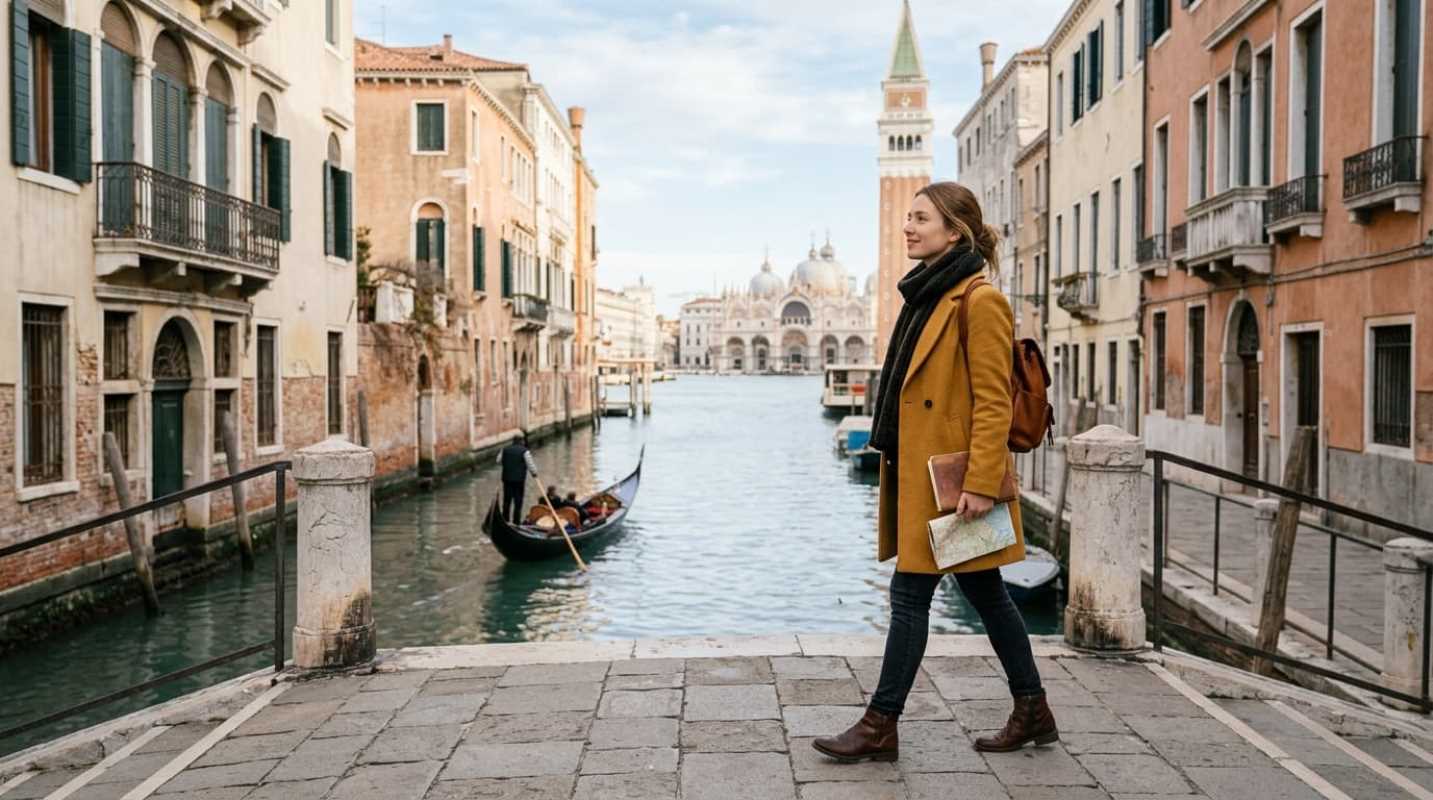
Travelers are shifting their priorities. The goal is no longer about checking off a famous landmark at the exact same moment as everyone else on your social feed. Instead, people want room to breathe. Off-peak travel is about reclaiming that freedom. By moving your trips away from the traditional high season, you open the door to a completely different rhythm of travel, where lower costs and quiet streets replace long lines and inflated bills.
Financial and Social Perks That Go Beyond Simple Savings
The price difference hits your wallet immediately. Airlines and hotels run on pure supply and demand, so when the summer crush evaporates, prices tumble. Vacation rental data reveals shoulder season savings between 15% and 35% across popular coastal destinations.¹ Flight data tells an identical story, with long-haul international airfare dropping by up to 33% once peak summer wraps up.² That means your baseline budget suddenly stretches far enough to afford a boutique hotel room or an extra week abroad.
Yet the social perks often matter even more than the financial wins
• Room to breathe: Famous museums and monuments transform into actual contemplative spaces. Instead of staring at the back of someone's head in the Louvre or waiting two hours to enter the Colosseum, you can walk straight through the doors.
• Real local connections: Hospitality workers and shop owners are exhausted by late August. When you visit in October or April, restaurant servers and baristas actually have time to chat, give genuine recommendations, and welcome you warmly.
• Spontaneous days: You do not have to book every single dinner reservation, museum ticket, and train ride three months in advance. You can wake up, check your mood, and decide what to do on a whim.
• Lower stress levels: Crowded airports, chaotic train stations, and packed tour buses take a heavy mental toll. Off-peak journeys strip away that friction, letting you actually rest on your vacation.
Understanding the Weather Trade-offs
The biggest hesitation most people have with off-peak travel comes down to one thing: the forecast. What happens if it rains? What if the temperature drops?
The secret is shifting your perspective on what counts as good weather. Walking 15,000 steps across baking cobblestones in 100-degree heat is miserable and potentially dangerous. A brisk 60-degree afternoon with an overcast sky is actually ideal for exploring a city on foot. You can enjoy outdoor sights without battling dehydration or searching desperately for shade.
You can handle variable weather with a few practical habits
• Adopt the rule of halves: Plan outdoor activities for the morning when conditions are often clearer. Save your afternoons for indoor spots like art galleries, covered markets, wine tastings, or thermal baths.
• Embrace cozy days: A rainy afternoon in Edinburgh, Paris, or Kyoto gives you the perfect excuse to duck into a warm neighborhood cafe, order a hot drink, and watch the world go by without feeling guilty about skipping sightseeing.
• Pack in three smart layers: Forget bulky coats that eat up luggage space. Pack a moisture-wicking base shirt, a warm middle layer like fleece or merino wool, and a lightweight windproof, waterproof jacket. You can adapt to shifting temperatures in seconds.
• Research regional microclimates: Rain in one valley doesn't mean rain everywhere. Look up historical rainfall and sunshine patterns for specific regions rather than broad country averages.
Mastering the Shoulder-Season Approach
If you want the benefits of off-peak travel without running into winter shutdowns, look straight at the shoulder season. This is the sweet spot that sits directly between a destination's high summer rush and its quiet winter freeze.
Generally, shoulder seasons run from April through May and from mid-September through early November. During these windows, the weather is mild, restaurants are open, and transit networks are running normally. But keep in mind that popular spots are catching on. Booking platforms note that early September has become almost as busy as August in hotspot destinations like Rome and the Amalfi Coast.³
To beat this shoulder creep, consider these approaches
• Push deeper into the calendar: Aim for mid-to-late October or early November. In southern regions like Greece or Spain, the Mediterranean sea stays warm from summer heat well into autumn, even as the crowds disappear.
• Look for detour destinations: If primary hubs like Venice or Barcelona are still packed in early fall, swap them for nearby gems. Head to Treviso instead of Venice, or explore Girona instead of central Catalonia. You get the same regional culture with a fraction of the tourists.
• Stay flexible with travel days: Midweek departures on Tuesdays or Wednesdays reliably beat Friday and Sunday airfares, even in shoulder months. Shifting your departure by just two days can save you hundreds of dollars.
Step-by-Step Guide to Planning Your Off-Peak Adventure
Planning an off-peak getaway requires a slightly different approach than booking a standard summer holiday. You need to account for changing operating schedules and seasonal shifts.
1. Check attraction and transit operating calendars: Beach clubs, seasonal passenger ferries, and mountain lifts often cut hours or pause entirely by late October. Always check official operator schedules before reserving non-refundable lodging. When in doubt, base yourself in a working city where local life continues year-round rather than a seasonal resort village.
2. Book four to six months in advance: Because shoulder travel has grown so popular, airlines occasionally trim their off-peak flight frequencies to match capacity. Booking ahead helps you lock in convenient flight times before seat options narrow.
3. Set price alerts across flight tools: Use price-tracking tools to monitor specific shoulder windows. Watch for price drops during low-demand weeks and jump when rates hit their seasonal bottom.
4. Get solid travel insurance: Off-season weather can occasionally cause rail delays or flight disruptions. A policy that covers weather-related trip interruptions gives you peace of mind if an autumn storm rolls in.
5. Focus your itinerary on experiences over sunbathing: Build your days around culinary tours, architecture, hiking, and cultural events. When lying on a beach is not the primary purpose of your trip, cooler weather never feels like a disappointment.
Sources:
1. HomeToGo Shoulder Season Travel Guide
https://www.hometogo.com/shoulder-season-travel/
2. Hopper Summer and Fall Travel Research
https://media.hopper.com/research/summer-2025-international-travel-guide
3. Expedia Fall Travel Outlook
https://www.expedia.com/newsroom/expedias-fall-travel-outlook-reveals-shoulder-season-pricing-is-harder-to-find-this-year/