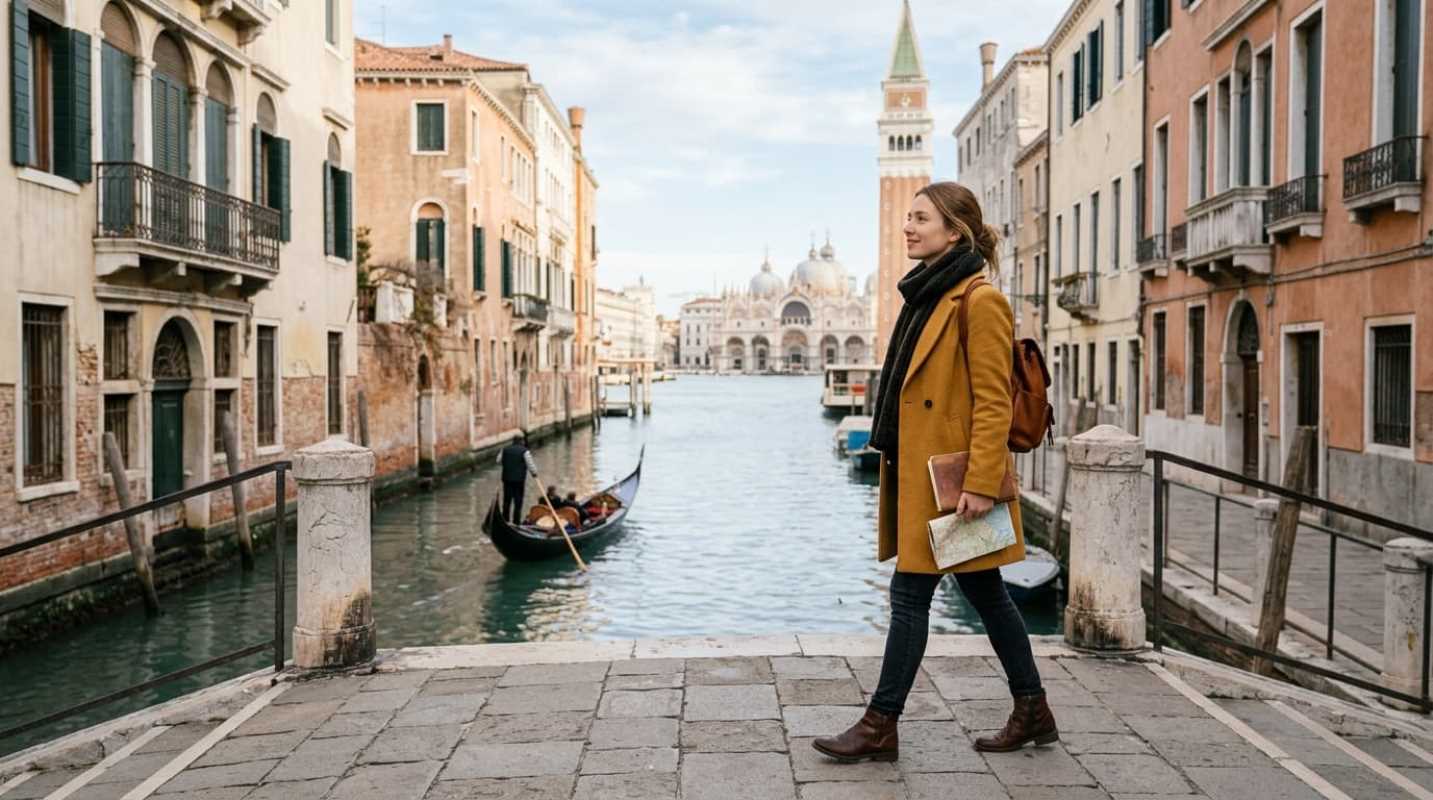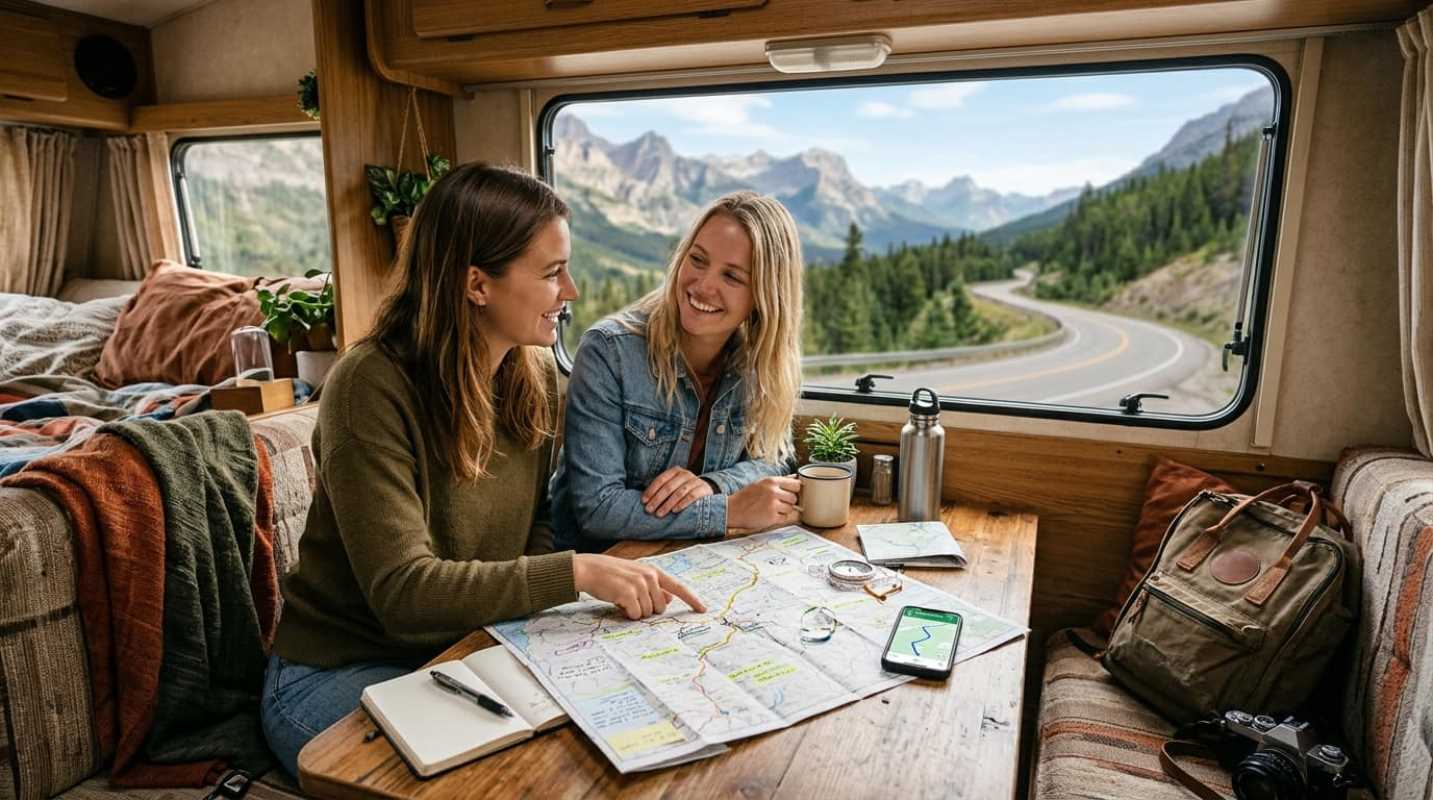
Have you checked airfare prices lately? Between luggage fees, rental car surcharges, and airport parking, a quick vacation can drain your savings before you even take off. That is why so many travelers are ditching security lines and grabbing their car keys instead. Recent travel data shows roughly 63% of vacationers choose car travel over flying.¹
Driving gives you ultimate freedom, but it can get expensive in a hurry if you wing it. Gas station snacks, surprise toll bills, and overpriced roadside motels add up fast.
With a few intentional habits, you can explore incredible places without feeling like you are burning cash. Here is how to keep your wallet happy on the open road.
Mastering Route Planning for Maximum Savings
Good route planning is the bedrock of keeping trip costs down. Think of your route as a spending blueprint. If you wander without an approach, your fuel budget simply evaporates.
Start by downloading fuel-tracking apps before backing out of the driveway. Tools like GasBuddy map out prices across thousands of stations along your specific route.² Pulling off at a highway travel oasis often means paying a 30-cent premium per gallon just for the convenience. Driving two miles into a nearby town can save you real money on a 15-gallon fill-up.
Next, open your navigation app and toggle the option to avoid tolls. Toll roads quietly drain your cash, especially across the Northeast and Midwest corridors.
Unless taking a tollway saves you an hour of bumper-to-bumper traffic, stick to the free highways. State routes give you a prettier drive, fewer semi-trucks, and more money in your pocket.
Cracking the Code on Gas and Lodging Costs
Fuel and a place to sleep eat up the biggest chunk of any road trip budget. Taming these two expenses requires a bit of creativity and loyalty stacking.
Stacking discounts at the pump is an easy win. If you belong to a warehouse club like Costco or Sam's Club, plan your fuel stops around their locations. Their gas is frequently 15 to 30 cents cheaper per gallon than commercial stations down the street. Pair that discount with a credit card offering cash back on fuel, and you instantly trim your costs.
When night falls, where you sleep dictates your bottom line. You have several low-cost options depending on how much comfort you need
• Dispersed camping: The Bureau of Land Management and the U.S. Forest Service oversee millions of acres where you can pitch a tent or sleep in your vehicle completely free. Apps like iOverlander help you find these legal, zero-dollar campsites with user reviews.
• Transit stops: When you just need six hours of sleep between driving shifts, select truck stops and retail lots that welcome overnight car sleepers. Travel plazas like Love's and Pilot Flying J even offer clean, pay-per-use hot showers.
• The periphery rule: If you prefer a real bed, book motels 30 to 45 minutes outside major cities or national parks. Room rates drop by up to 50% once you move away from the main tourist strip.
Look for budget hotels offering free hot breakfast. Feeding your group eggs and waffles in the lobby saves you $30 before you even start the car.
The Art of Packing Snacks and Saving on Food
Eating out three times a day ruins your daily budget faster than anything else. You stop for breakfast sandwiches, grab drive-thru burgers for lunch, and finish with a sit-down dinner. Suddenly, you spent $80 per person before counting gas or lodging.
The fix is simple: live by the one-meal rule. Pick one meal each day to experience local cuisine. Maybe it is authentic barbecue in Texas or fresh tacos along the coast. For the other two meals, eat from your own stash.
A reliable cooler and a basic camp stove are your best travel companions. You do not need expensive gear. A simple cooler keeps ice for days, letting you carry sandwich fixings, yogurt, fruit, and cold drinks.
Hit a local grocery store every couple of days instead of convenience stores. Buy water by the gallon, fruit, and snacks in bulk. Convenience store junk food carries massive markups. Buying a $4 bag of chips and a $3 soda three times a day costs as much as an entire bag of groceries.
Smart Vehicle Preparation to Avoid Hidden Fees
Nothing ruins a road trip budget quite like a blown radiator or a dead alternator in the middle of nowhere. Emergency roadside repairs cost double because you have zero use when you are stranded.
Get your car inspected a week or two before leaving. Have a mechanic check your fluid levels, brake pads, belts, and battery health.
Pay special attention to your tires. Driving on underinflated tires ruins your fuel economy. According to data from the U.S. Department of Energy, keeping your tires inflated to the recommended pressure improves gas mileage by up to 3.3%.³ Check the pressure when the tires are cold, and fill them to the number listed on your driver-side door jamb.
Consider your aerodynamics, too. Rooftop cargo boxes create massive drag, cutting your highway fuel efficiency by up to 17%. If you can pack lighter and keep your gear inside the car or on a rear hitch rack, you will burn noticeably less fuel.
Pack a simple roadside emergency kit to handle minor issues yourself
• Jumper cables or a jump pack: This prevents you from paying for a service truck for a flat battery.
• Tire inflator and plug kit: A portable 12-volt compressor lets you fix slow leaks without calling a tow truck.
• Basic hand tools: A screwdriver set and an adjustable wrench can tighten loose battery terminals or fix minor rattles in minutes.
Curating Free Experiences and Local Gems
Many travelers assume you need expensive tickets to have fun on the road. Tourist traps with flashy billboards will gladly charge you $30 per person to see a gimmicky cavern or an ordinary wax museum.
Skip the commercial traps and seek out local gems. Check municipal websites and community event calendars for the towns along your route. You will discover free outdoor concerts, farmers' markets, historic walking tours, and quirky roadside attractions that cost nothing.
If you are heading into public lands, pick up an America the Beautiful pass. For an $80 flat fee, this pass grants your entire vehicle access to all national parks, national wildlife refuges, and national forests for a full year. Since entry to single parks like Yosemite or Zion runs around $35, the pass pays for itself by your third stop.
Focus on scenic overlooks, public hiking trails, and swimming holes. These natural spots create the memories you talk about years later, and they do not cost a dime. When you plan with intention, you get to enjoy the open road without stressing over the bill.
Sources:
1. Road Trip Statistics & Trends
https://roadgenius.com/statistics/road-trips-usa/
2. Best Gas Apps to Save Money
https://wkfcu.org/Services/GoodToKnow/2022-Gas-Apps/
3. Driving Behavior and Fuel Economy
https://afdc.energy.gov/conserve/driving-behavior