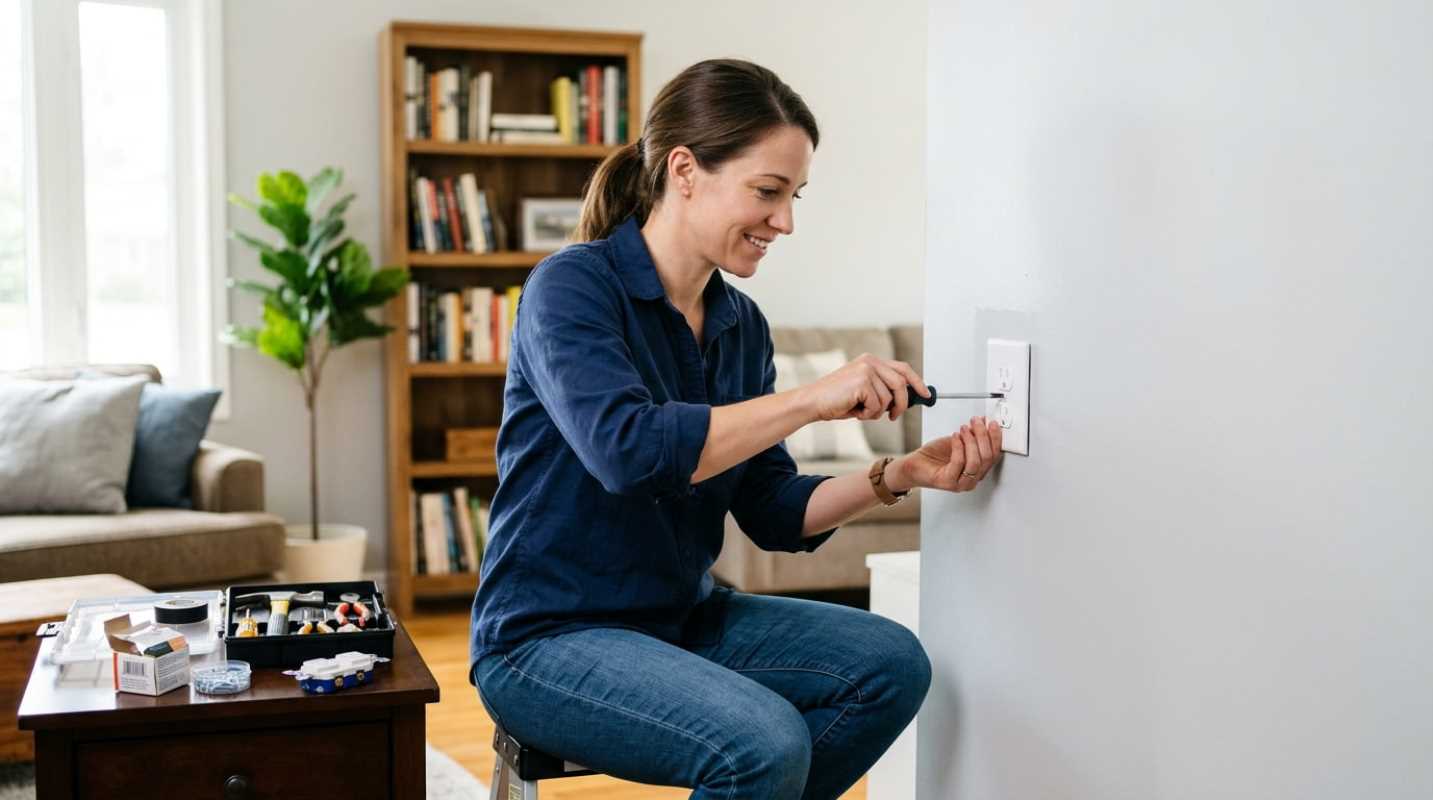
The moment you get the keys to your first house, you feel like royalty. Then, three months later, a toilet starts hissing at two in the morning, or the kitchen sink begins draining at the speed of molasses. Suddenly, homeownership feels less like a castle and more like an endless to-do list.
Calling a professional for every minor inconvenience will drain your bank account fast. Most licensed trades charge minimum service call fees between $75 and $150 just to walk through your front door. According to Angi, 67% of homeowners now prefer upgrading and repairing their existing properties over moving.¹ On top of that, routine care and emergency fixes cost the average household $3,184 every year.² If you outsource every single seasonal maintenance item, total costs can easily climb past $10,000 annually.³
Learning basic repairs is about peace of mind. When you fix a leaking pipe or patch a battered wall yourself, the house stops feeling like an unpredictable money pit. You realize that most home problems are simple mechanical puzzles. Once you know how the pieces fit together, you can solve them in an afternoon.
Building Your Foundation with a Needed Tool Kit
You do not need an entire workshop to handle entry-level home maintenance. High-end power tools look impressive on social media, but ninety percent of typical household problems require only basic hand tools. Buy durable individual pieces as you need them rather than cheap 200-piece mystery sets that bend under pressure.
Keep your tools together in a dedicated tote or canvas bag so you never waste twenty minutes hunting for a screwdriver
• Multi-Bit Screwdriver: Handles everything from loose cabinet knobs to switch plate covers without cluttering your drawer.
• Adjustable Wrench: An eight-inch wrench provides the use you need for supply lines and bathroom fittings.
• Tongue-and-Groove Pliers: Needed for gripping curved pipes, stubborn fittings, and slip nuts under the sink.
• Cordless Drill and Driver Kit: A reliable 12-volt or 18-volt drill makes hanging shelves, fixing hinges, and driving drywall anchors effortless.
• Putty Knife: A flexible two-inch or three-inch blade is necessary for applying spackle, scraping loose paint, and removing old caulk.
• Non-Contact Voltage Tester: A pocket-sized lifesaver that instantly tells you whether an electrical wire or outlet is carrying current.
• Torpedo Level and Tape Measure: Keeps every mirror, picture frame, and mounted shelf straight.
Mastering Plumbing Basics for Leaks and Clogs
Water causes more catastrophic structural damage to homes than almost anything else. If you can control the water in your house, you have won half the battle.
Start by locating your main water shut-off valve right now. Do not wait for a burst pipe to figure out where it hides. Test the fixture-specific shut-off valves under your sinks and behind your toilets once a year to make sure they turn smoothly.
When it sinks back up, skip the chemical drain cleaners. Liquid drain chemicals corrode older pipes, eat away at rubber plumbing seals, and splash dangerous toxins back into your face. Instead, clear clogs mechanically
1. Insert an inexpensive plastic barbed drain snake into the sink drain to pull out hair and soap scum caught in the pop-up stopper.
2. If the clog sits deeper, place a small bucket beneath the curved pipe under the sink, known as the P-trap.
3. Unscrew the two plastic slip nuts on the P-trap by hand or with slip-joint pliers.
4. Dump the trapped gunk and standing water directly into the bucket.
5. Rinse the pipe clean, inspect the rubber O-rings, and thread the nuts back together until hand-tight.
What about a toilet that runs non-stop? That hissing sound usually means water is leaking from the tank into the bowl. Take off the tank lid. In most cases, the rubber flapper at the bottom has warped or the lift chain is tangled. Unclip the old flapper, take it to the hardware store to find an identical match, and snap the new five-dollar replacement into place.
If water levels stay high and spill continuously into the vertical overflow tube, adjust the float screw on the fill valve down by half an inch. If that fails, replace the entire fill valve assembly. The parts cost under twenty dollars, and the whole repair takes less than forty minutes.
Know your limits with plumbing. If you suspect a clog in the main sewer line, if sewage backs up into your tub, or if you need to solder copper supply pipes inside an enclosed wall, stop immediately and call a licensed plumber.
Restoring Your Walls by Patching Drywall
Drywall damage happens. Furniture bumps into hallways, picture hangers leave divots, and door handles punch clean circles through hollow sheetrock. Paying a handyman $150 to patch a doorknob hole is unnecessary when you can achieve a professional finish yourself.
For tiny nail holes and picture-hanging dings
1. Press lightweight spackling paste directly into the hole using your flexible putty knife.
2. Scrape the blade flat across the wall to leave the paste level with the surrounding drywall.
3. Let it dry for two hours, then buff the area lightly with a 220-grit sanding block.
4. Wipe the chalky dust away with a barely damp cloth before touching it up with leftover paint.
For larger holes up to four inches across, purchase a self-adhesive fiberglass mesh patch. Center the screen over the hole, press it firmly to the drywall, and spread a thin layer of all-purpose joint compound across the surface.
The secret to an invisible repair is feathering. Angle your putty knife and spread the compound two to three inches past the edges of the mesh, tapering the mud so it becomes paper-thin at the perimeter. Let it dry overnight, apply a second ultra-thin skim coat, sand it flush, and apply a dedicated drywall primer. Never skip the primer step. Raw joint compound absorbs paint differently than treated wallboard, which creates noticeable dull spots known as flashing.
Preventative Maintenance to Keep Your Home Running Smoothly
Small weekend checks keep tiny quirks from turning into expensive disasters. Think of preventive maintenance as an oil change for your house.
Take sagging interior doors. When a door drags along the floor or catches on the jamb, people often assume the house is settling or the wood has warped. Most of the time, the top hinge screws have simply stripped out of the soft pine jamb.
To fix this, back out the center screw from the top hinge on the jamb side. Replace that tiny three-quarter-inch screw with a three-inch hardened wood screw. Drive it straight into the wall stud framing hidden behind the trim. That long screw pulls the entire jamb tight to the wall framing, lifting the sagging door back into place in two minutes flat. If the door squeaks, bypass WD-40, which attracts dirt over time, and apply a drop of silicone spray or white lithium grease to the hinge pins.
Your heating and cooling system also needs seasonal attention. Replace your HVAC filters every 30 to 90 days. A clogged filter chokes the blower motor, spikes your utility bill, and burns out sensitive electronics. Although you check the filter, pour a quarter-cup of distilled white vinegar down the air conditioner condensate drain line to dissolve algae build-up before it floods your floor.
The Long-Term Value of DIY Proficiency
Every small task you complete builds muscle memory and confidence. The first time you replace a toilet fill valve, you will probably check the tank six times over the next three days to make sure it is not leaking. That is completely normal. By the third time you repair an issue, you will tackle it without a second thought.
Over five to ten years of homeownership, taking care of basic maintenance saves thousands of dollars in call-out fees. More importantly, it keeps small leaks, drafty doors, and worn hardware from silently degrading your property value.
Always respect your safety boundaries. There is no shame in calling a licensed expert when a project involves opening an electrical service panel, modifying natural gas lines, or dealing with load-bearing framing. For everything else, grab your wrench, trust your instincts, and handle it yourself.
Sources:
1. State of Home Spending Report
https://www.angi.com/press/2024-state-of-home-spending-report
2. Average Home Maintenance Cost Per Year
https://mytidyboss.com/blog/average-home-maintenance-cost-per-year/
3. Home Care Price Index
https://www.thumbtack.com/guide/content/thumbtack-relaunches-home-care-price-index-to-provide-deeper-insights-into-home-maintenance-trends